HISTORY

ATTELAGE DE TRADITION

Our history

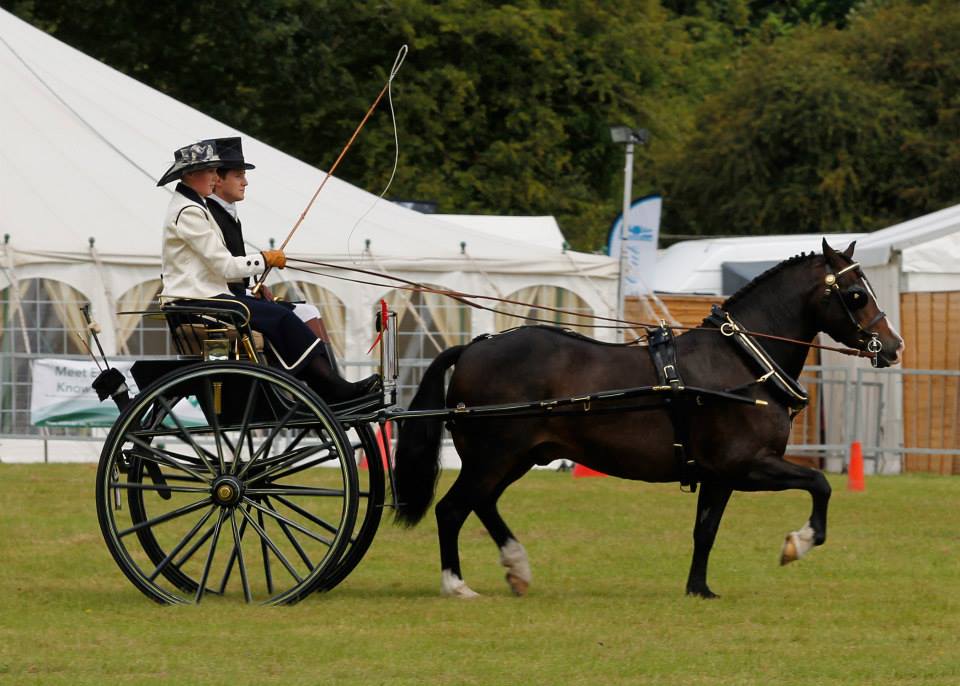
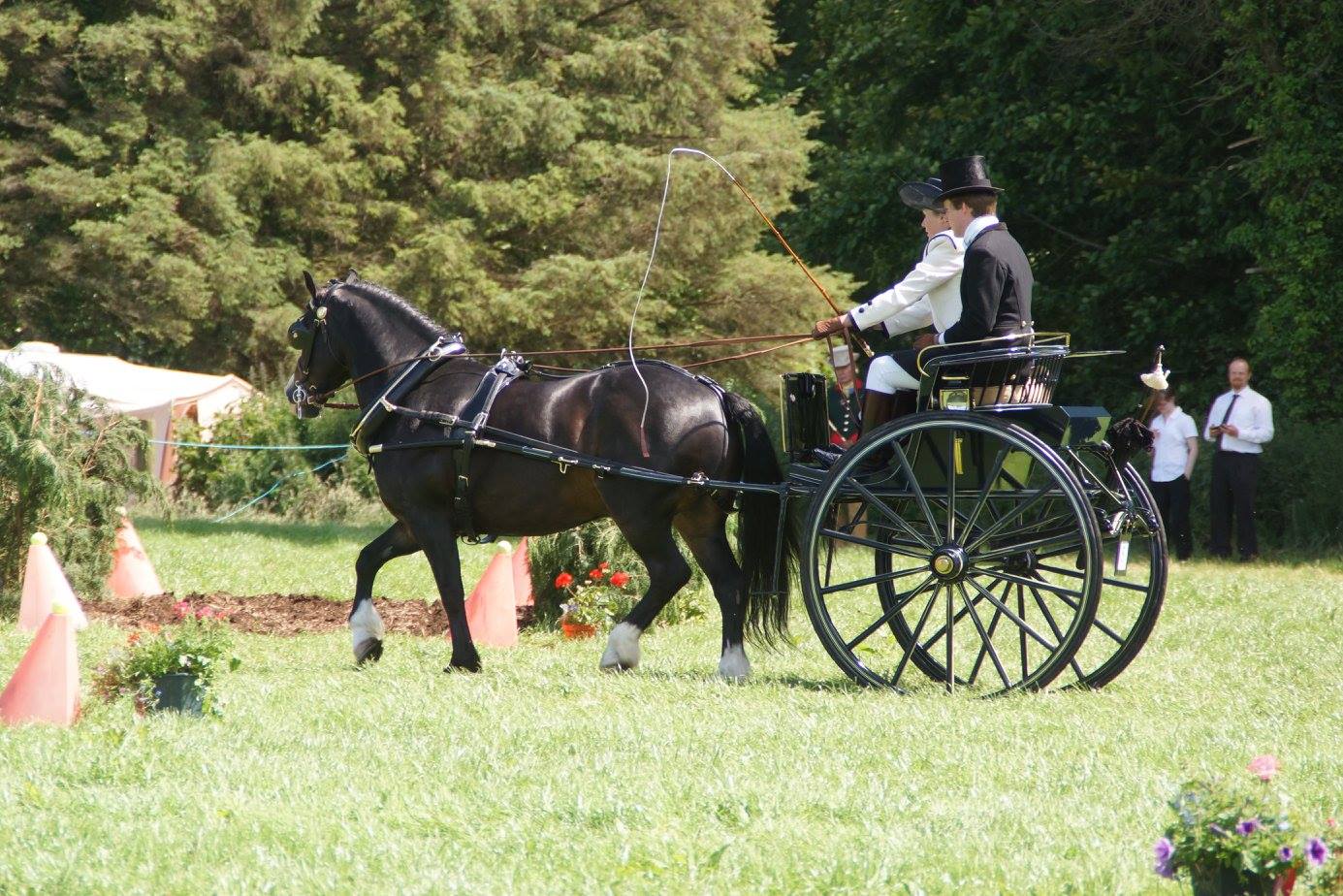
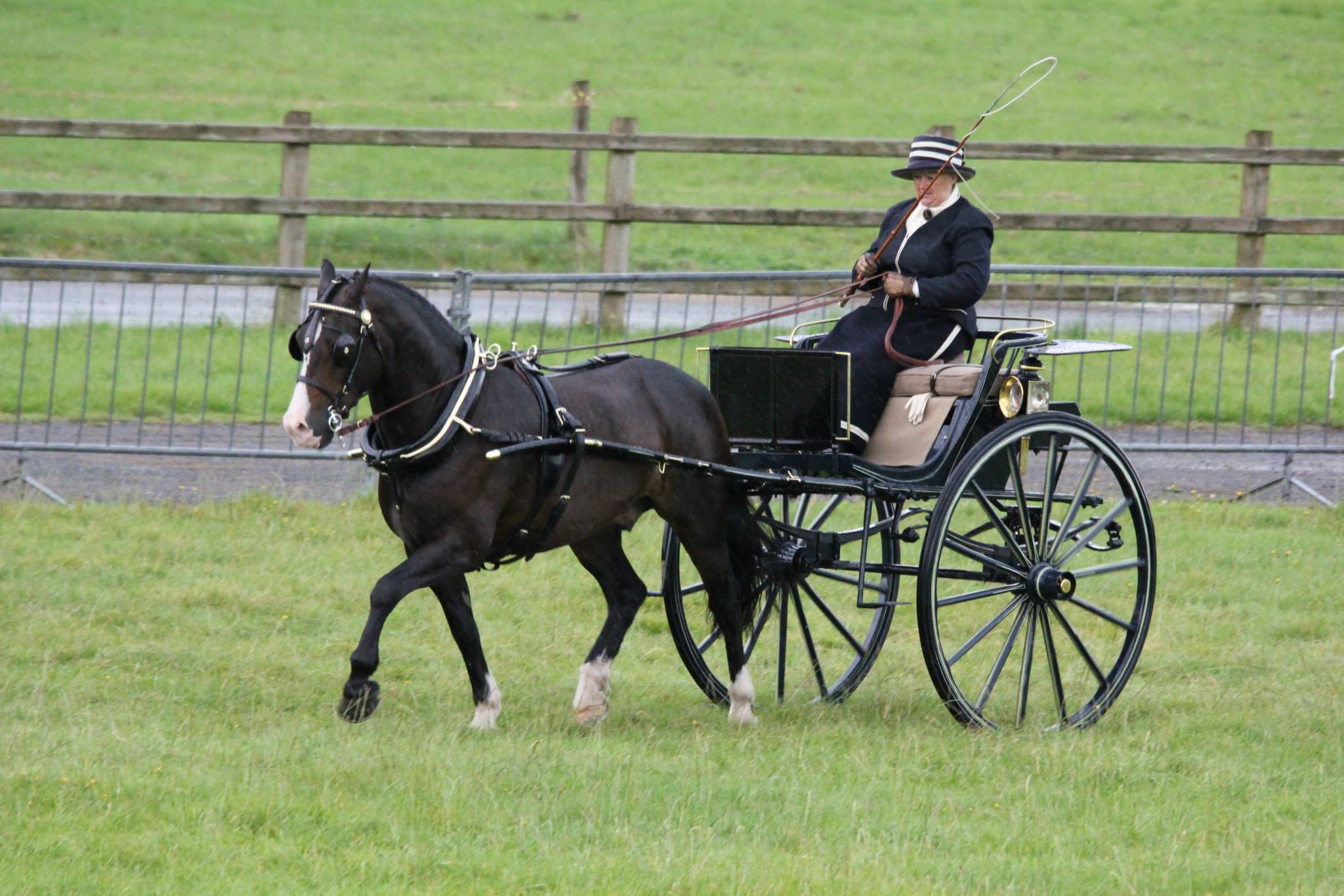
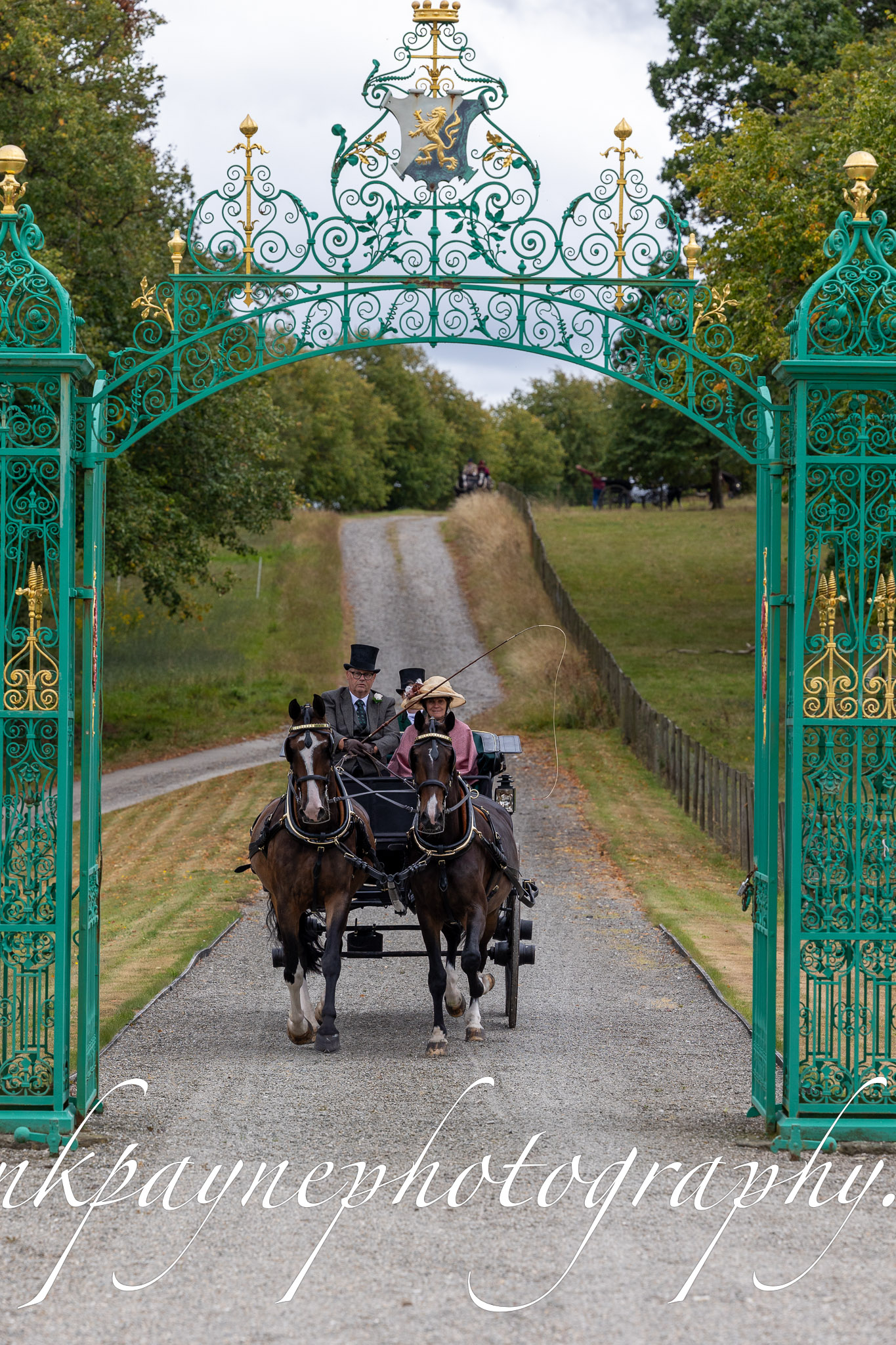
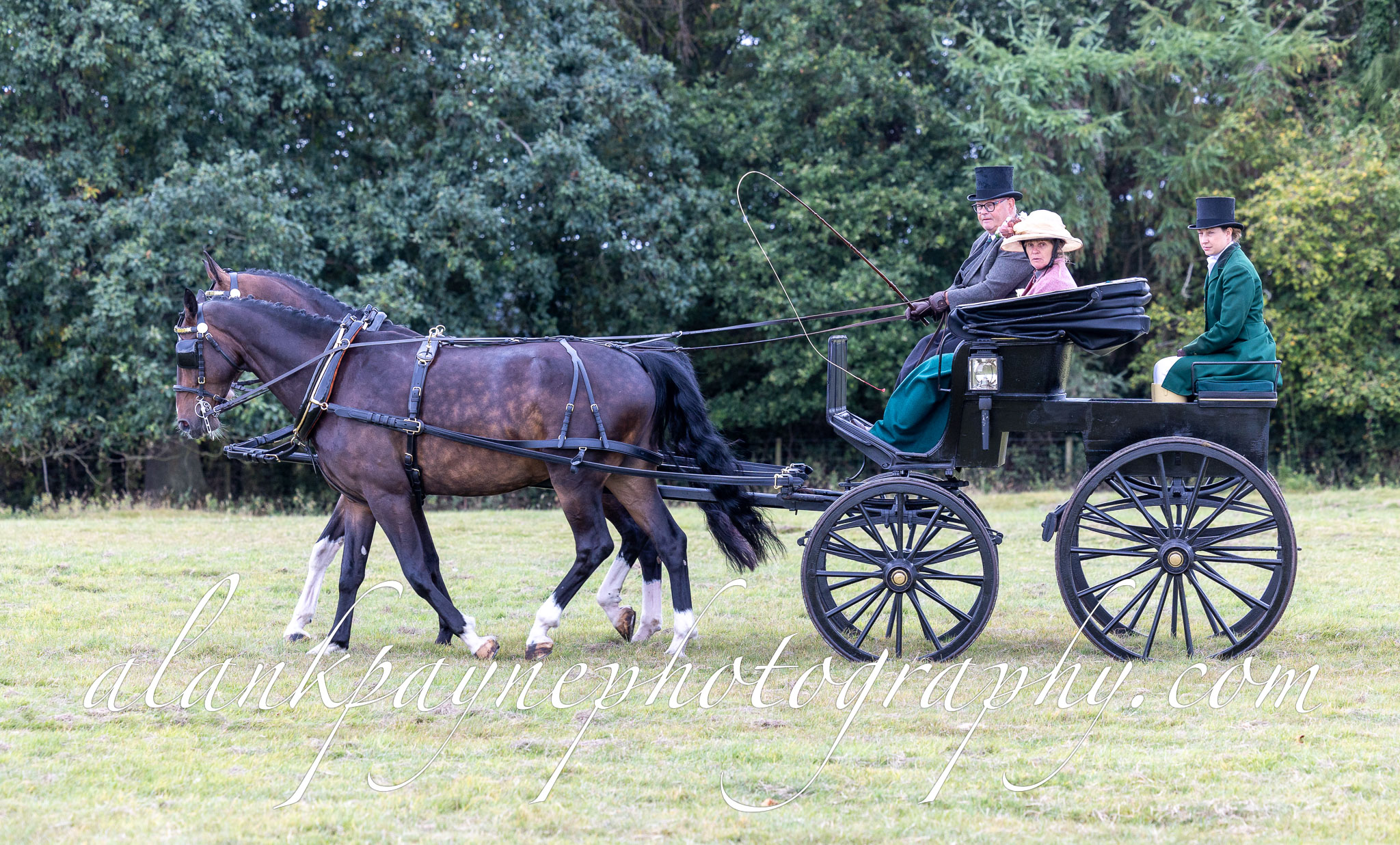
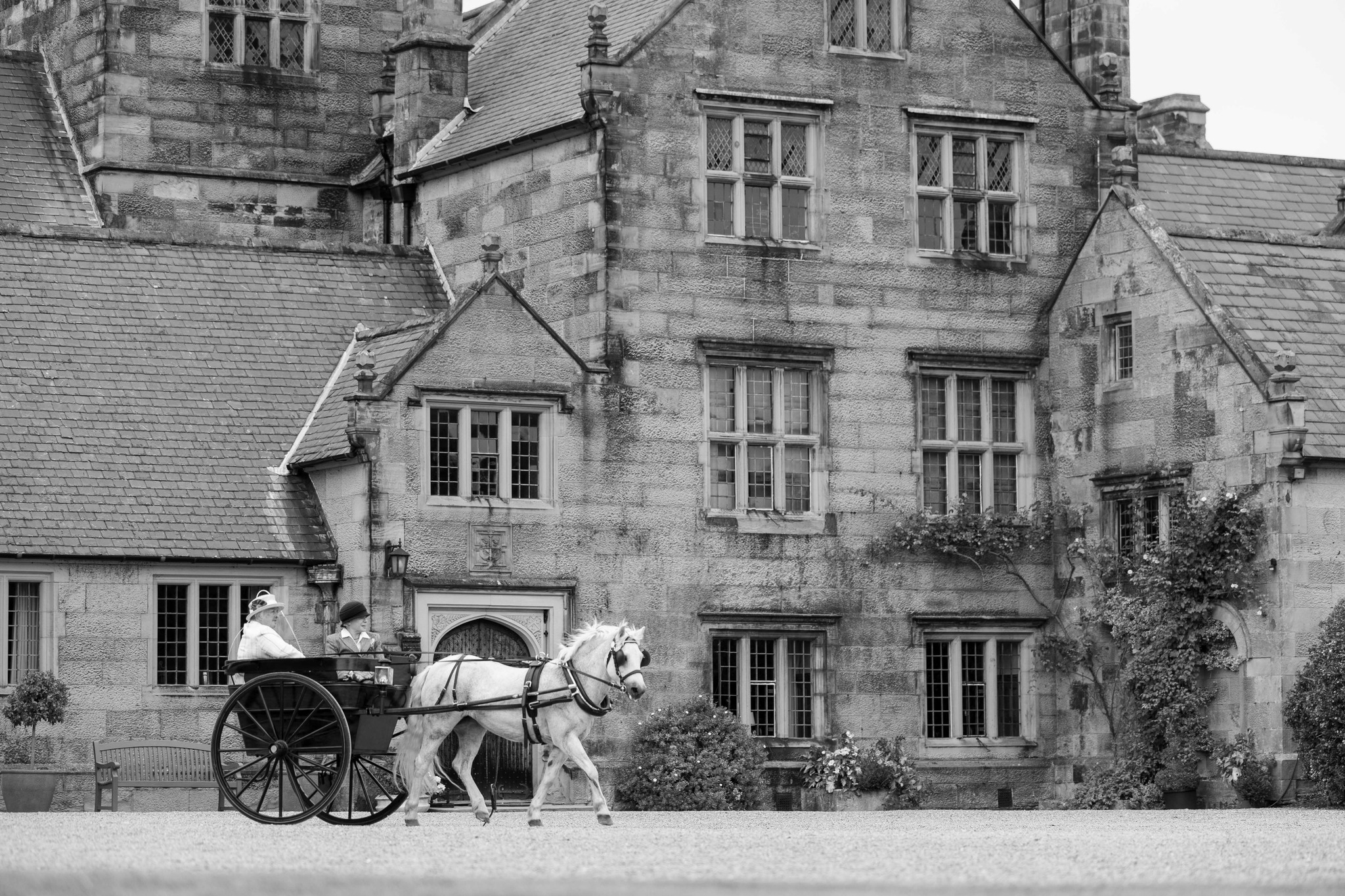
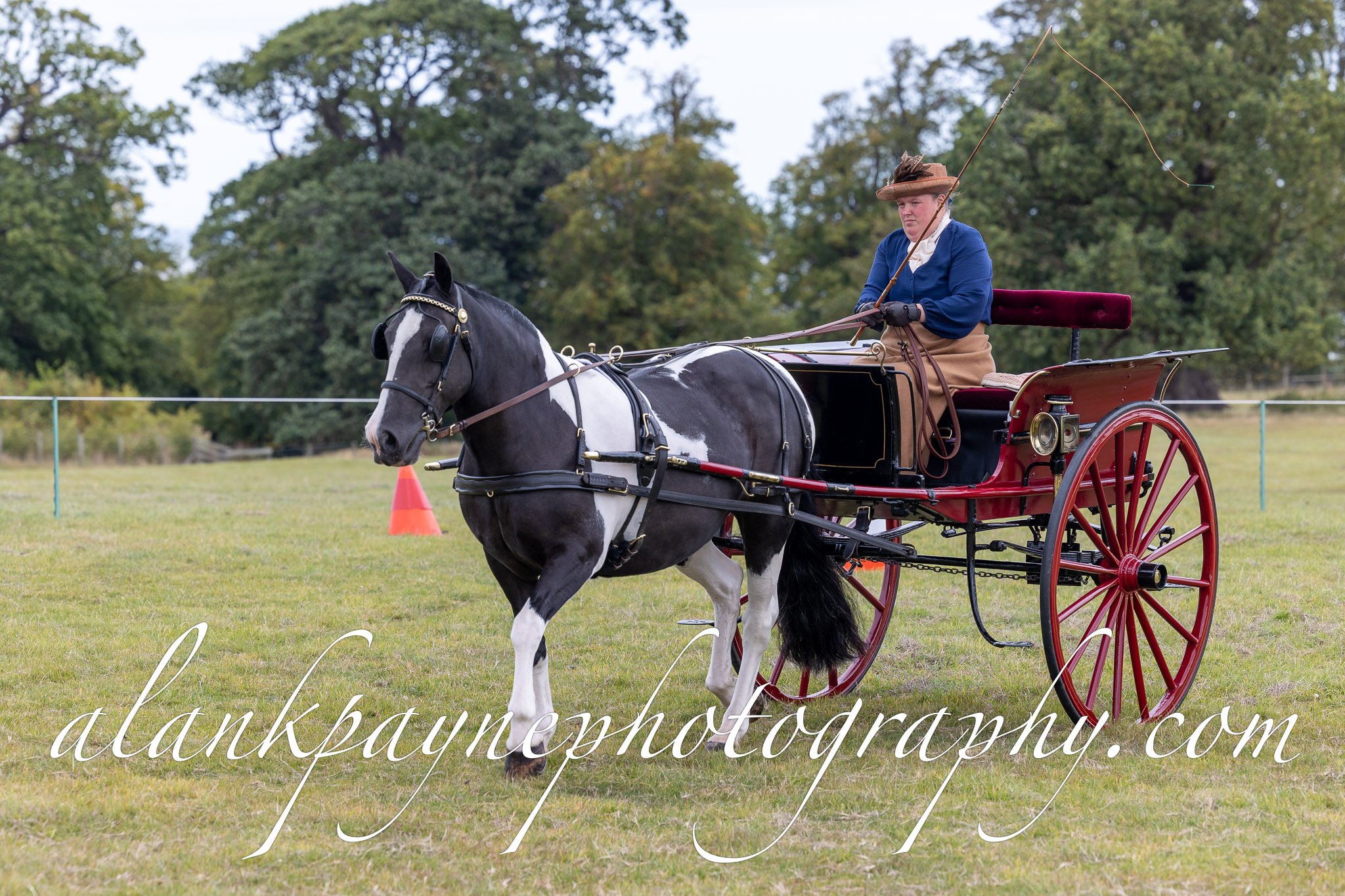
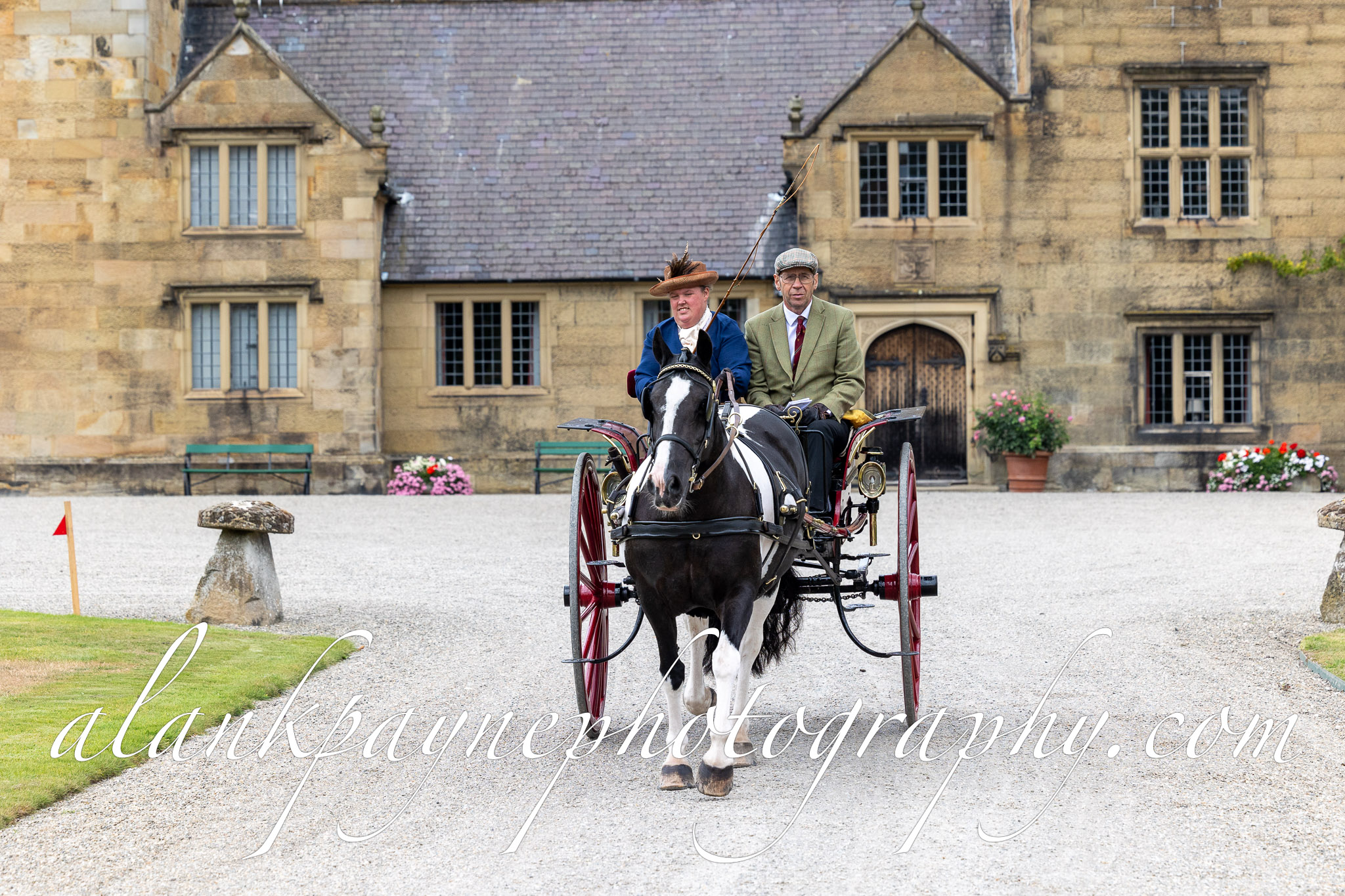
The  Concours International d’Attelage de Tradition (CIAT) competition format was developed around 40 years ago in France when on a visit to the UK, it was observed that there was still a strong interest in traditional carriages with the popularity of Private Driving at British shows, that was  a contrary experience in the rest of Europe. Traditional vehicles were rapidly becoming out of favour with modern sports competitors whilst their existence was being threatened with demise and destruction.

Unless something was done soon, a major part of our social history would be consigned to the history books.

Inspired by the British enthusiasm, it was decided to regenerate interest in traditional driving in France and adapt to a new format to share the virtues of traditional carriage driving with the sporting prowess and technical accuracy of modern driving trials. Baron Christian de Langlade established the new competition format at Chateau de Cuts and latterly at Cuts à Compiègne with the ‘Trophée des Nations’ where they had around 90 turnouts from 14 nations and an enviable spectator count of around 20,000 visitors! With the combination of a dynamic new competition format and the popular social cordiality, the event has become a roaring success and the resultant newly gained interest in original vehicles.

With this burgeoning interest across Europe, a governing body was established to maintain the  principles and objectives of the competition formatthe. The same regulations are shared in all competitions allowing competitors from across the world conformity and clarity. The Association d’Internationale d’Attelage de Tradition (AIAT) was duly formed with national representatives promoting and maintaining the competition format. Richard James was one of the original founders of the association and was the head of AIAT GB, our national representative for the United Kingdom. Member nations meet once a year to discuss the progress of the competition, announce dates for the following season and advise the technical delegates, event organisers and judges on the latest issues.

Preserving our heritage

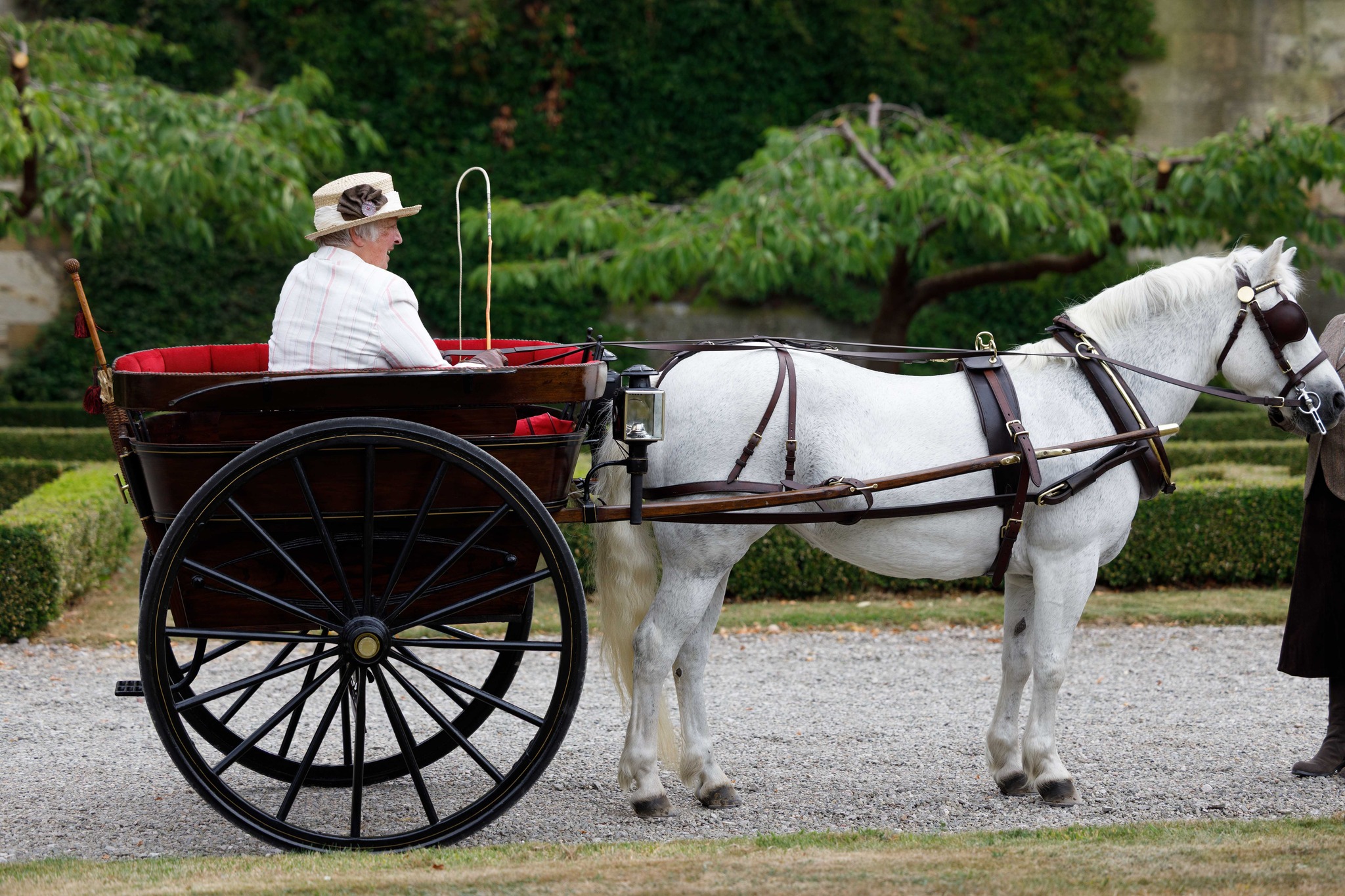
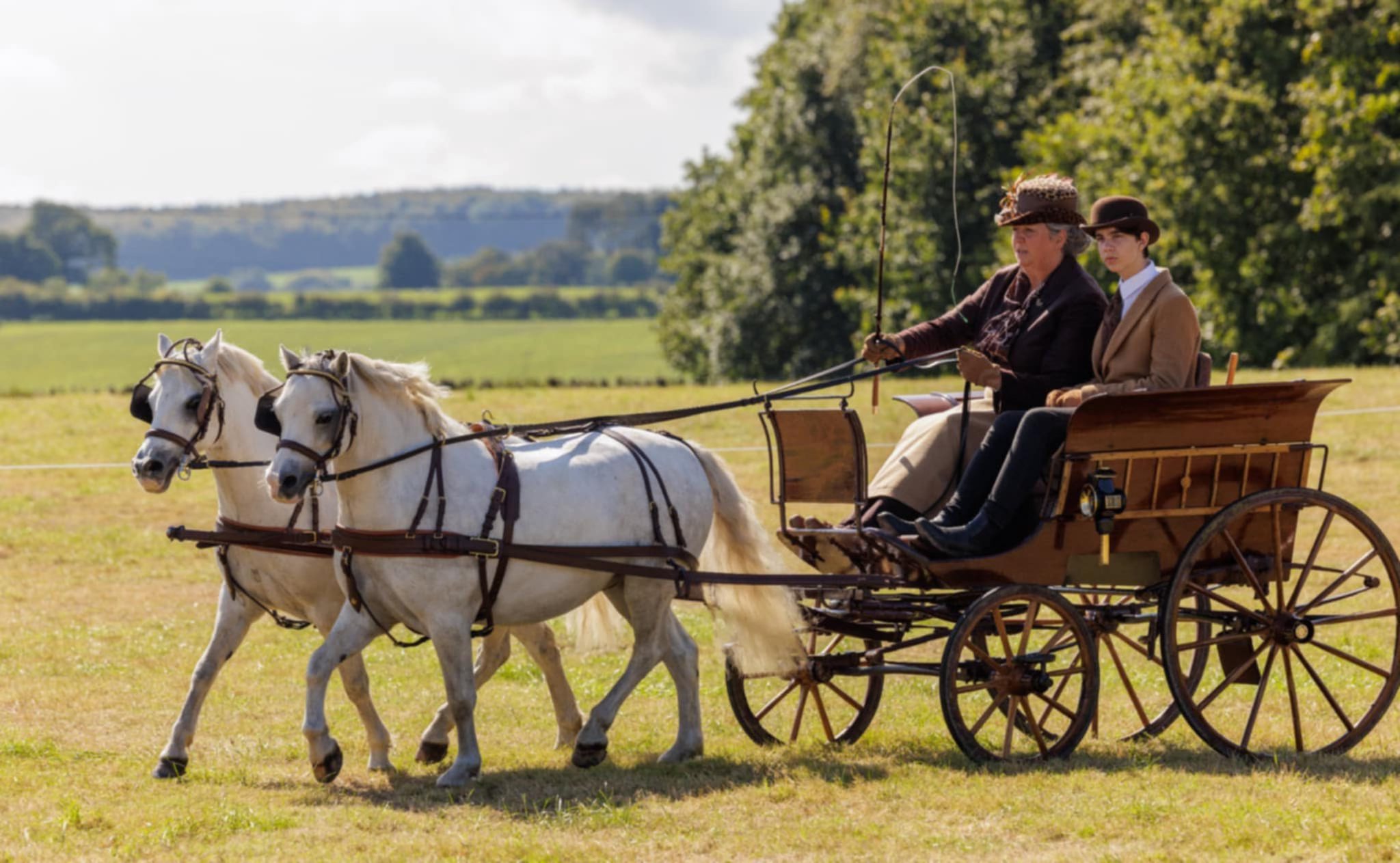
With the rapid growth in competition driving across the continent, it was quickly realised That traditional carriage driving was fast falling out of fashion and original vehicles were being discarded and destroyed. FEI Driving trials was rapidly gaining momentum and a the new format for competition carriage design with more demanding construction for greater durability created a step change away from traditional carriages. Generations of original artisan skills were at threat of being lost, so with the interest and passion of a few European carriage enthusiasts, the format of the Attelage de Tradition was developed to help safeguard our heritage. Today, original carriages are encouraged to be used for competition under the principles of their original construction, to be used for a days work! This renewed interest has promoted the restoration of a number of internationally important carriages, safeguarding their future heritage.

International

With over 70 AIAT affiliated events held throughout Europe, 27 CIAT competitions will be held in France, Germany, Spain, Italy, Poland, The Netherlands, Belgium, United Kingdom, Portugal, Czech Republic and the USA. The United Kingdom hosts various events around the country. This marks a positive growth in interest in the UK with recent years seeing a step change in progress, securing the future for traditional driving and original vehicles

Living history

The most rewarding issue of any Attelage de tradition competition is the effort that our participants undertake into sourcing ,researching and presenting their wonderful carriages. Many have been passed down over time in good condition, some have been left forgotten at the back of a barn and some have been completely restored – but all share the same love, dedication and commitment from their owners to return them back to life. Here’s are some of our participants remarkable stories:
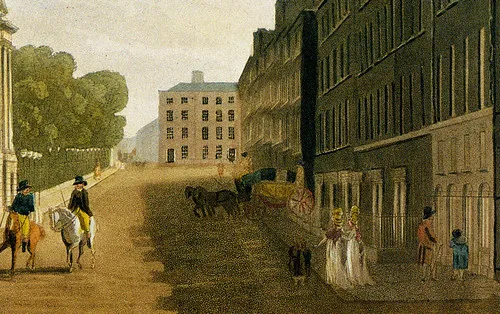
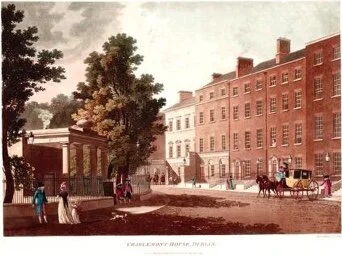
'the cart's the star'

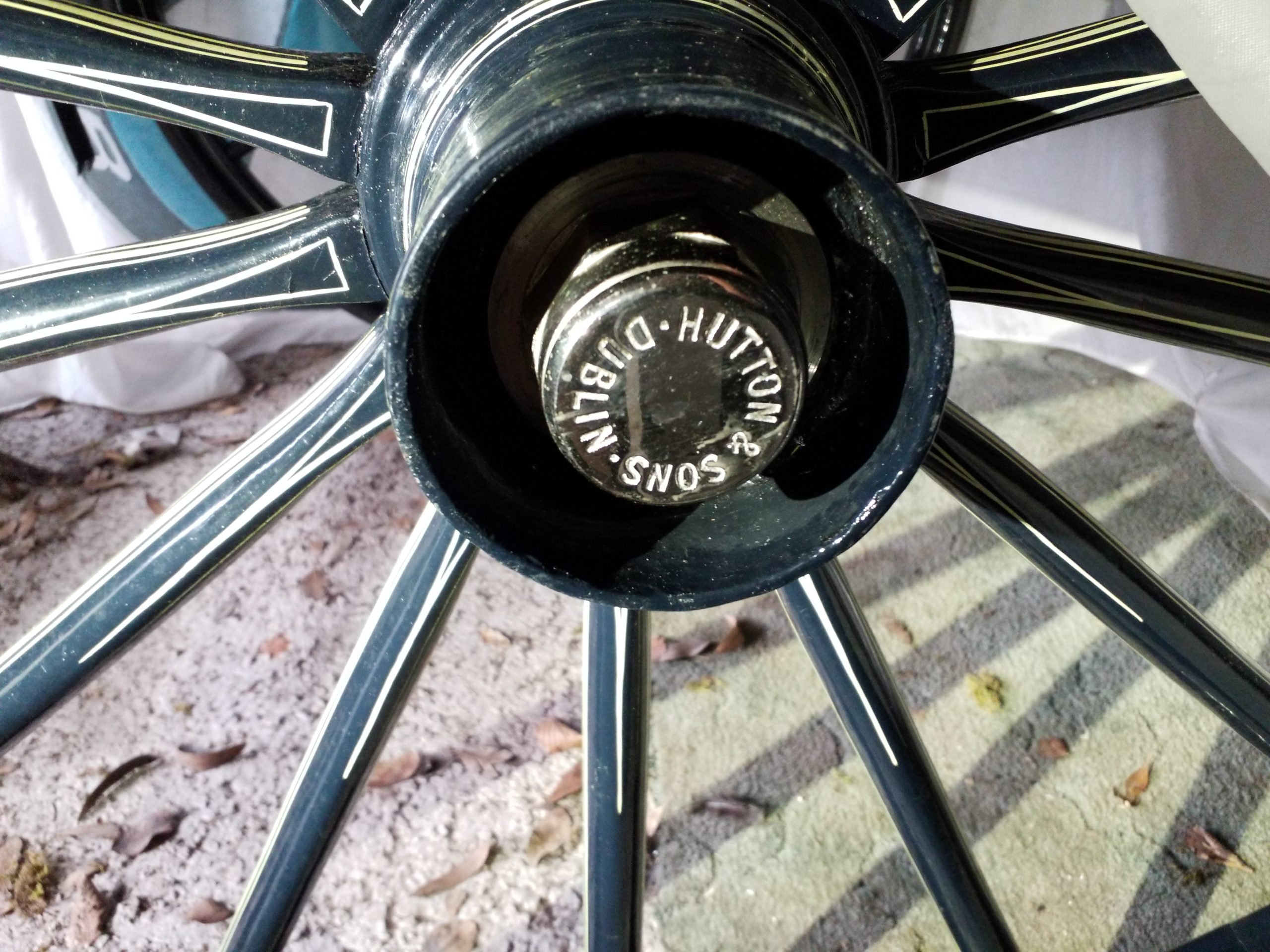
John Hutton Dublin

 
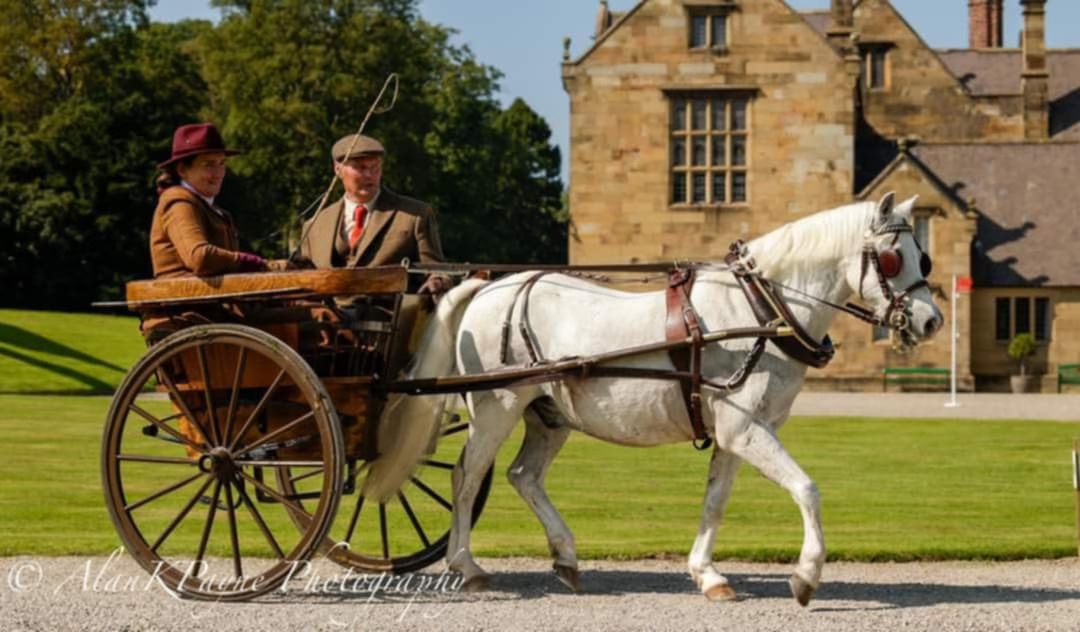
One of the most unsuspecting was from Attelage stalwarts Helen and Eleanor Stevens. Bought a few years ago on recommendation from Philip Holder at the Wellington Carriage Company, their Spindleback gig came from an impressive provenance of previous owners including the late Elspeth Gill, one of the most prolific show competitors of her time.
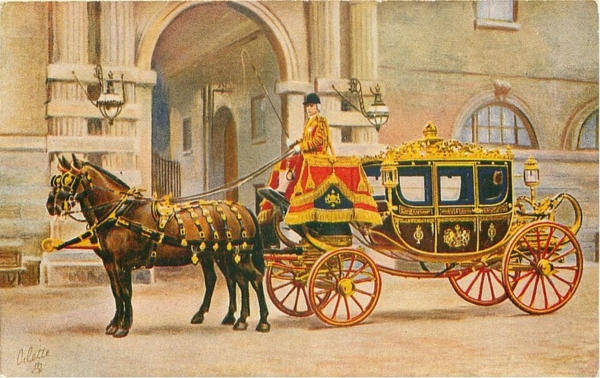
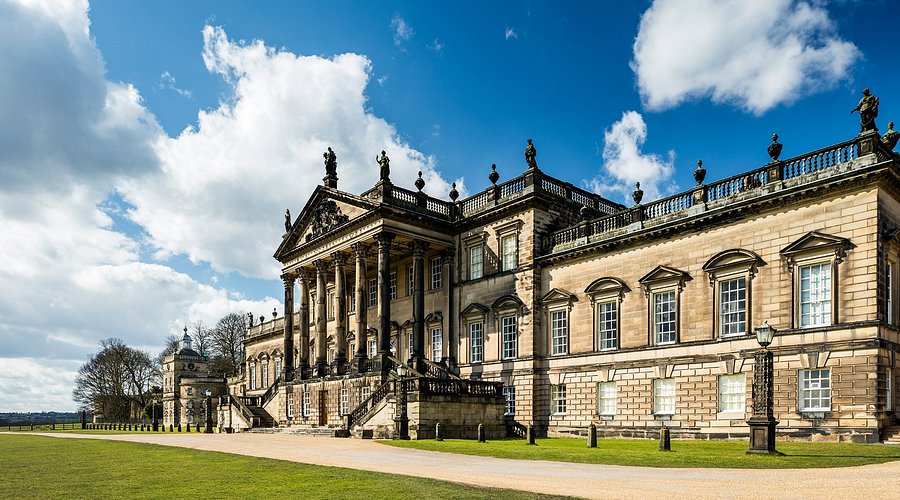
One of the defining features of this gig is an elaborate decorative Dennet springing system which could only have come from a notable maker. The maker was a relatively unknown Johhn Hutton of Dublin, but under further investigation John Hutton was indeed one of the foremost carriage builders of his time in the up and coming fashionable Dublin around the carriage building centre of Parnell Square. Huttons made fine quality vehicles for the Irish Nobility and great estates such as Coollattin House, the Irish home of the Earl Fitzwilliam and of Wentworth Woodhouse, England largest private house. One of the most notable carriages Hutton built was the Irish State Coach for Queen Victoria and still in use today. To learn about the John Hutton Carriage works is a delve into Irish and British social History, the act of Union, the potato famine the changing face of society.
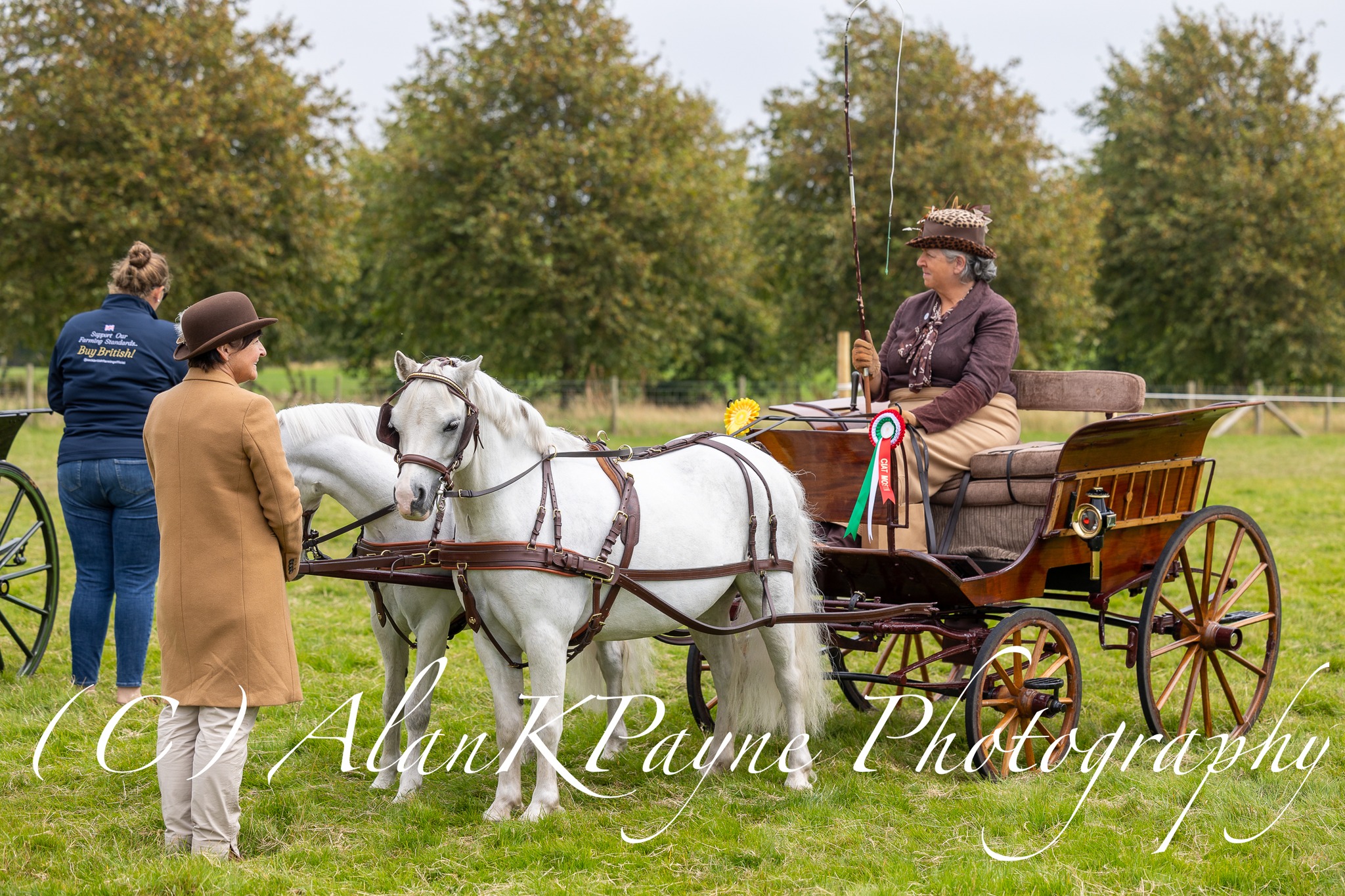
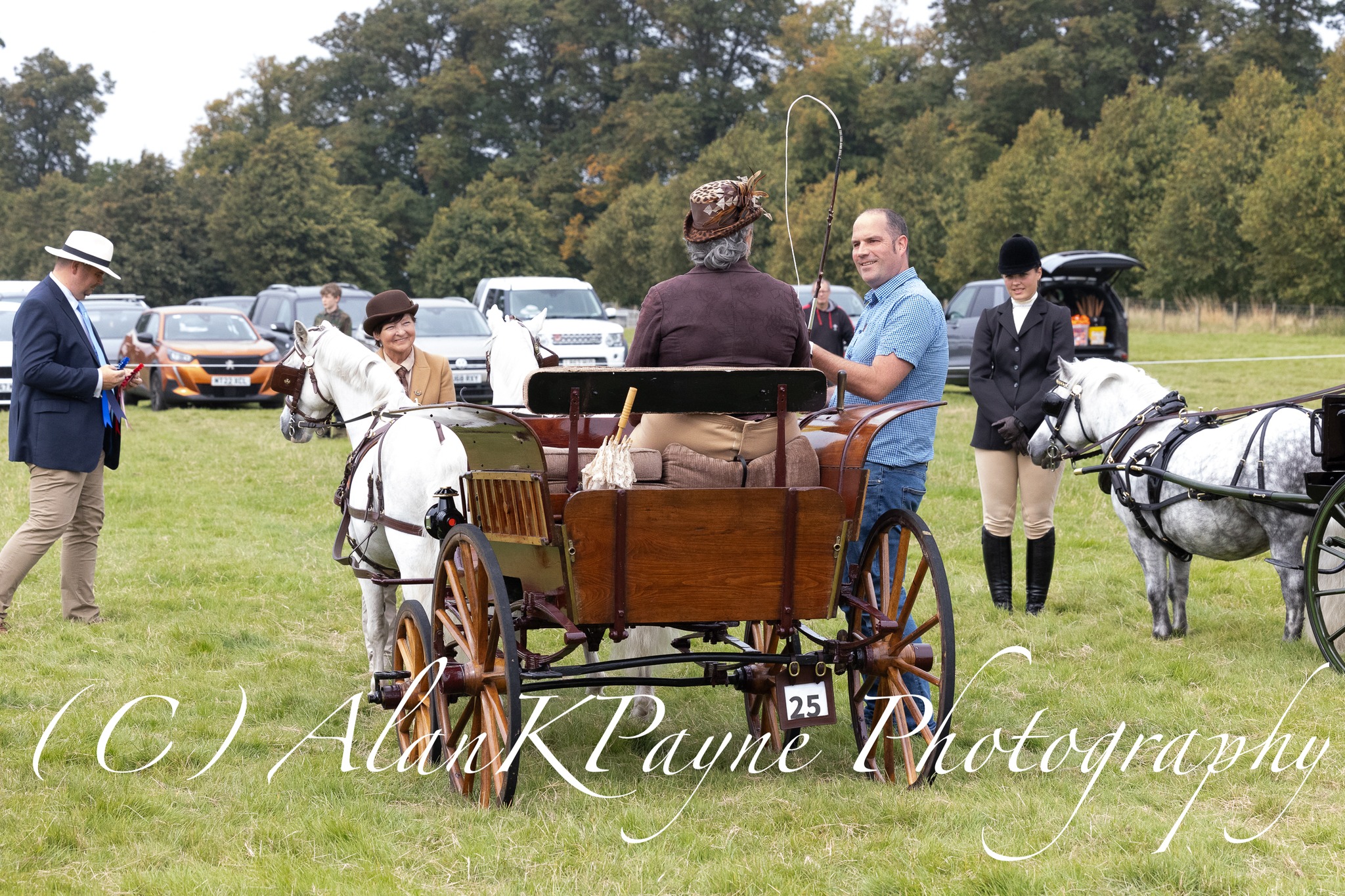
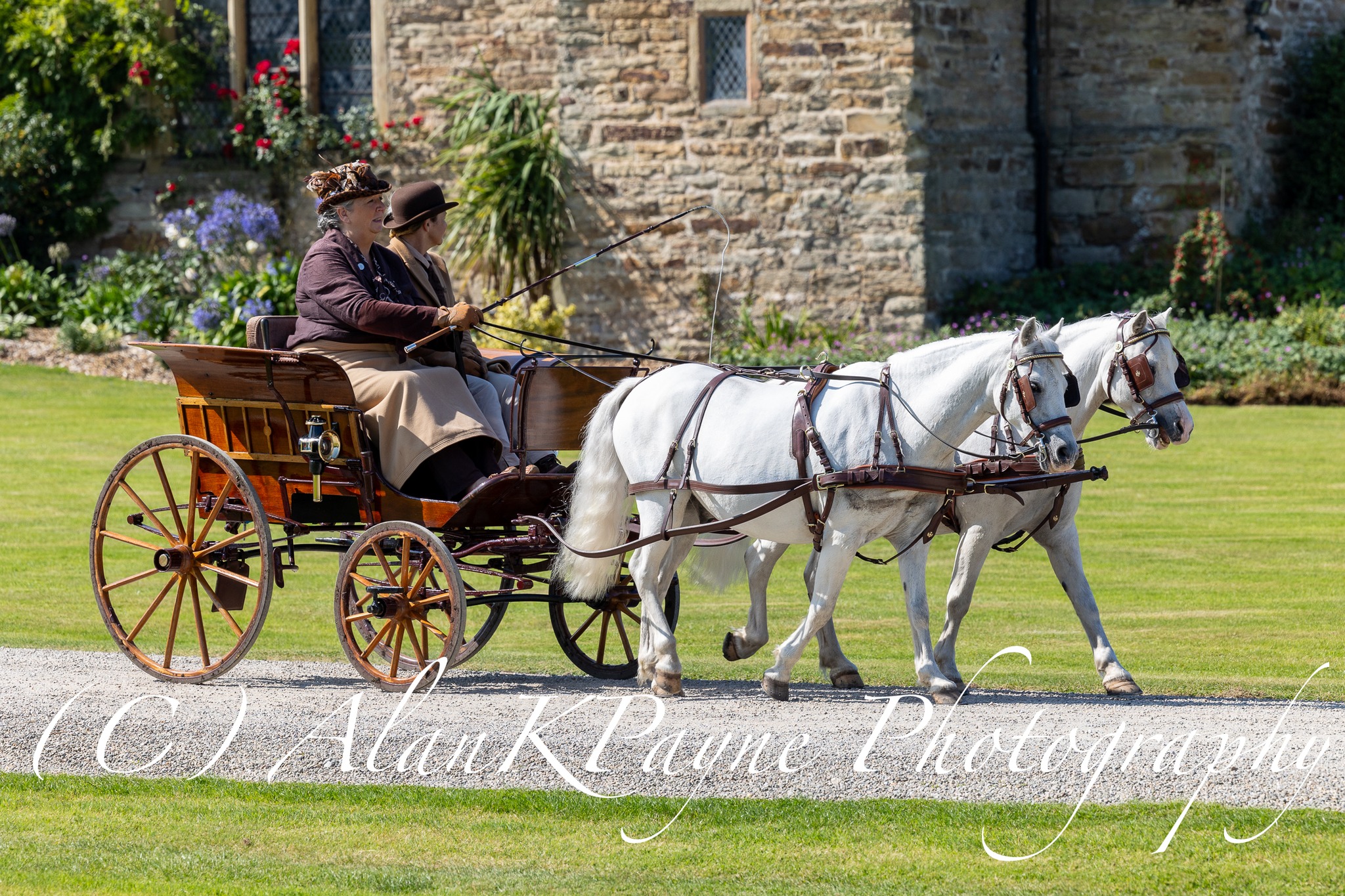
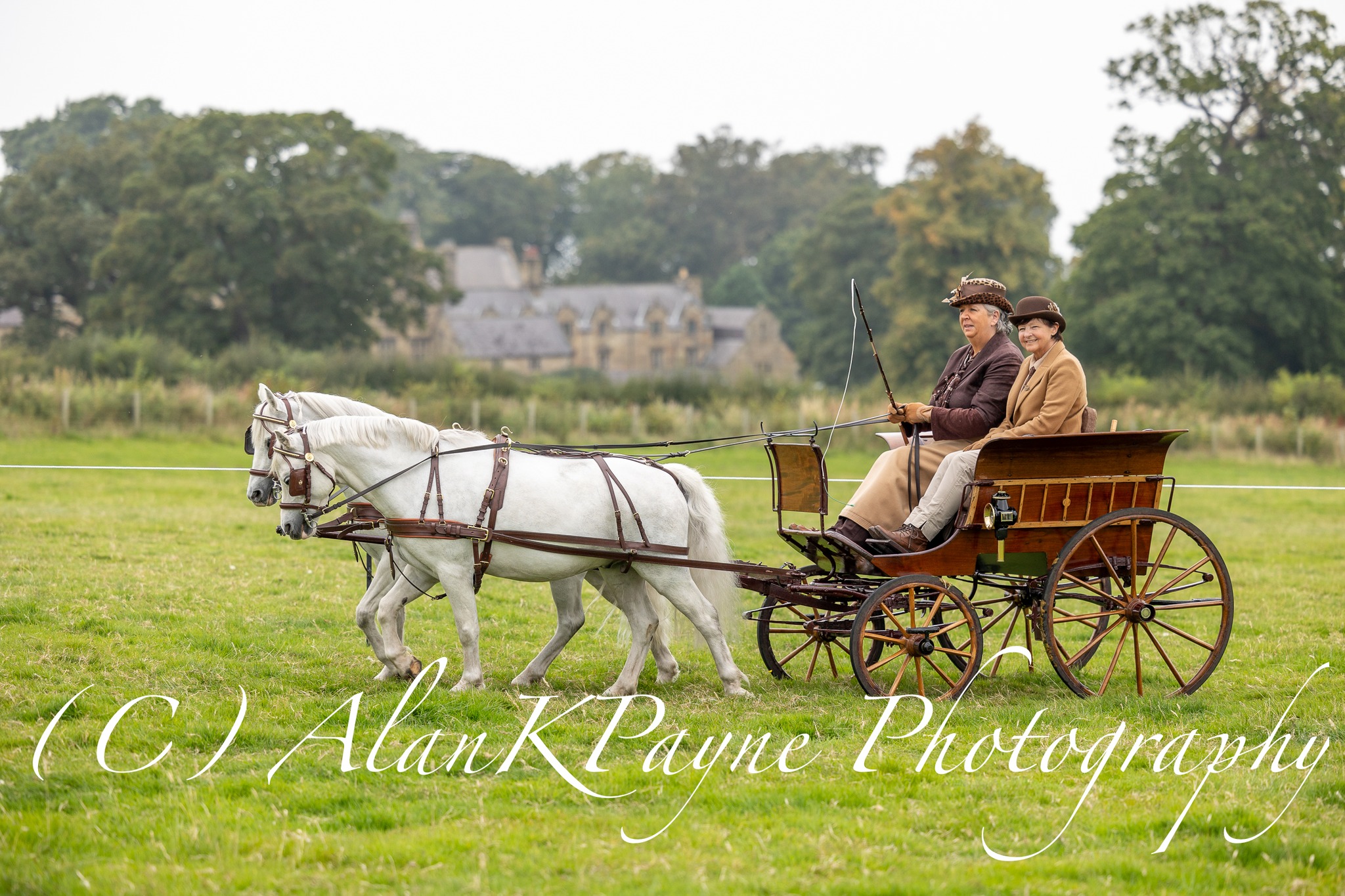
Today their Spindleback Gig continues the legacy in the show ring and Attelage events where Ellie has made her own distinctive mark driving her impressive pair of home bred Welsh Cobs where she has used the Hutton for driving Tandem.
More can be learnt about John Hutton from a book written by Fiona Ahern here: 
Add Your Heading Text Here

Sanders of Hitchin

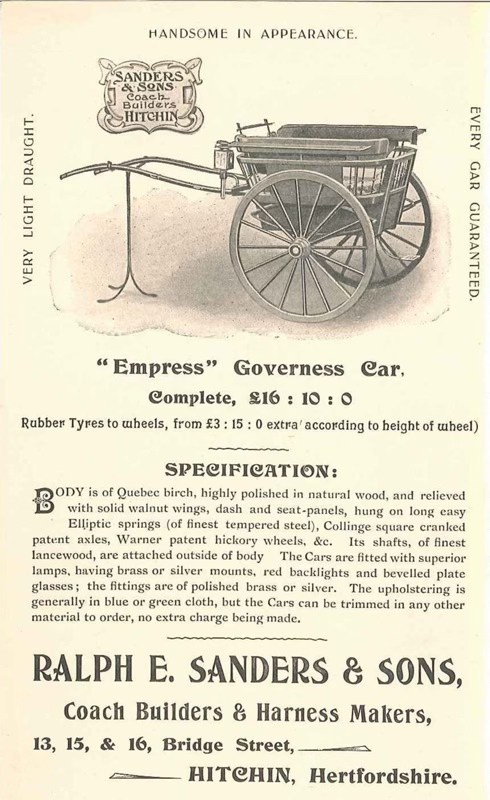
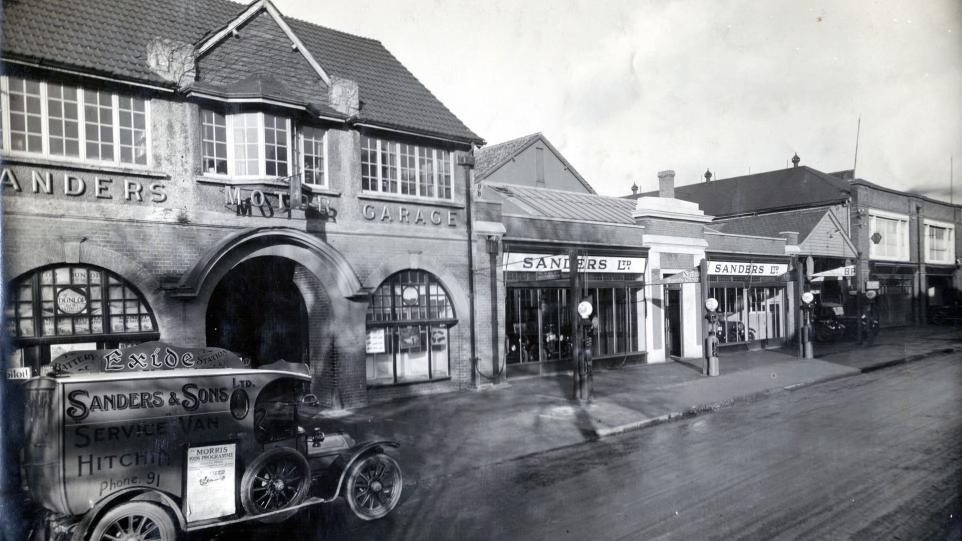
One of the most prolific British carriage builders of the Victorian era was Sanders of Hitchin who specialised in high quality carriages. Founded by Ralph Sanders in Royston, Hertfordshire in 1875, they moved to Hitchin in 1898 to be closer to the newly formed railways with easier access for receiving supplies and delivering their carriages.
They were prominent builders of fine quality horse-drawn carriages and built many high-end vehicles, including Landaus, Broughams and lighter Gigs, later adapting to build bespoke motor car bodies (saloons, tourers, landaulets) and commercial vehicles. They ceased trading as late as 1979.
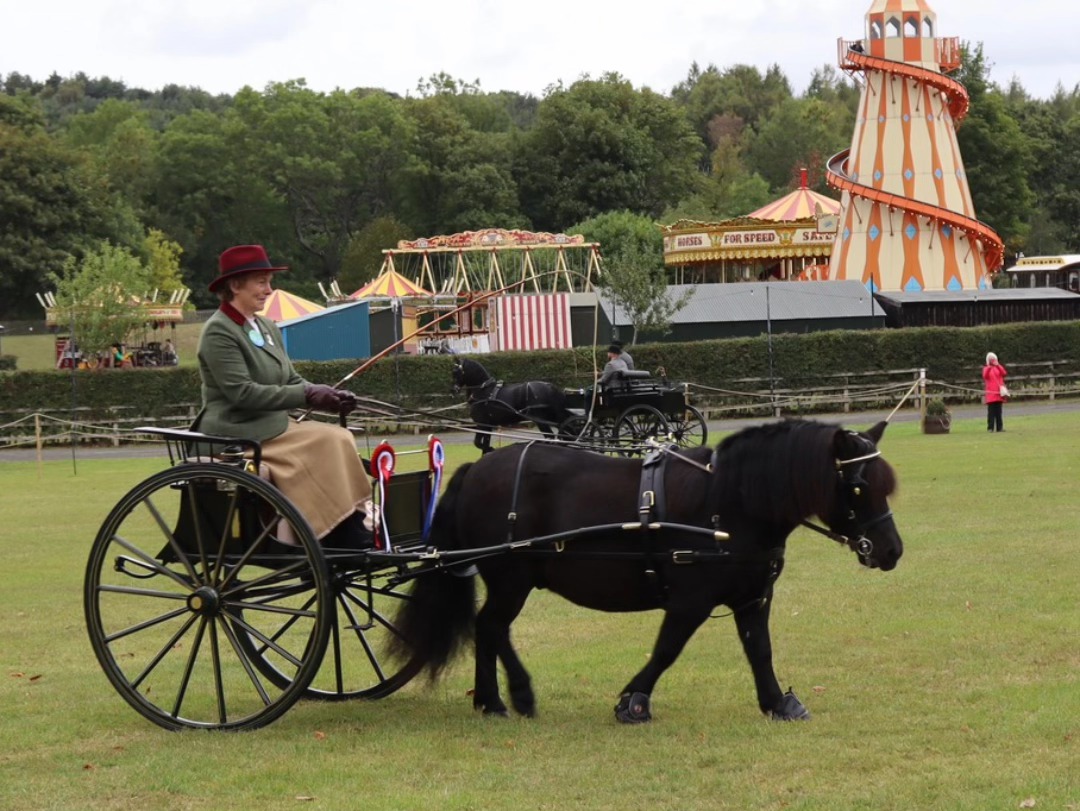
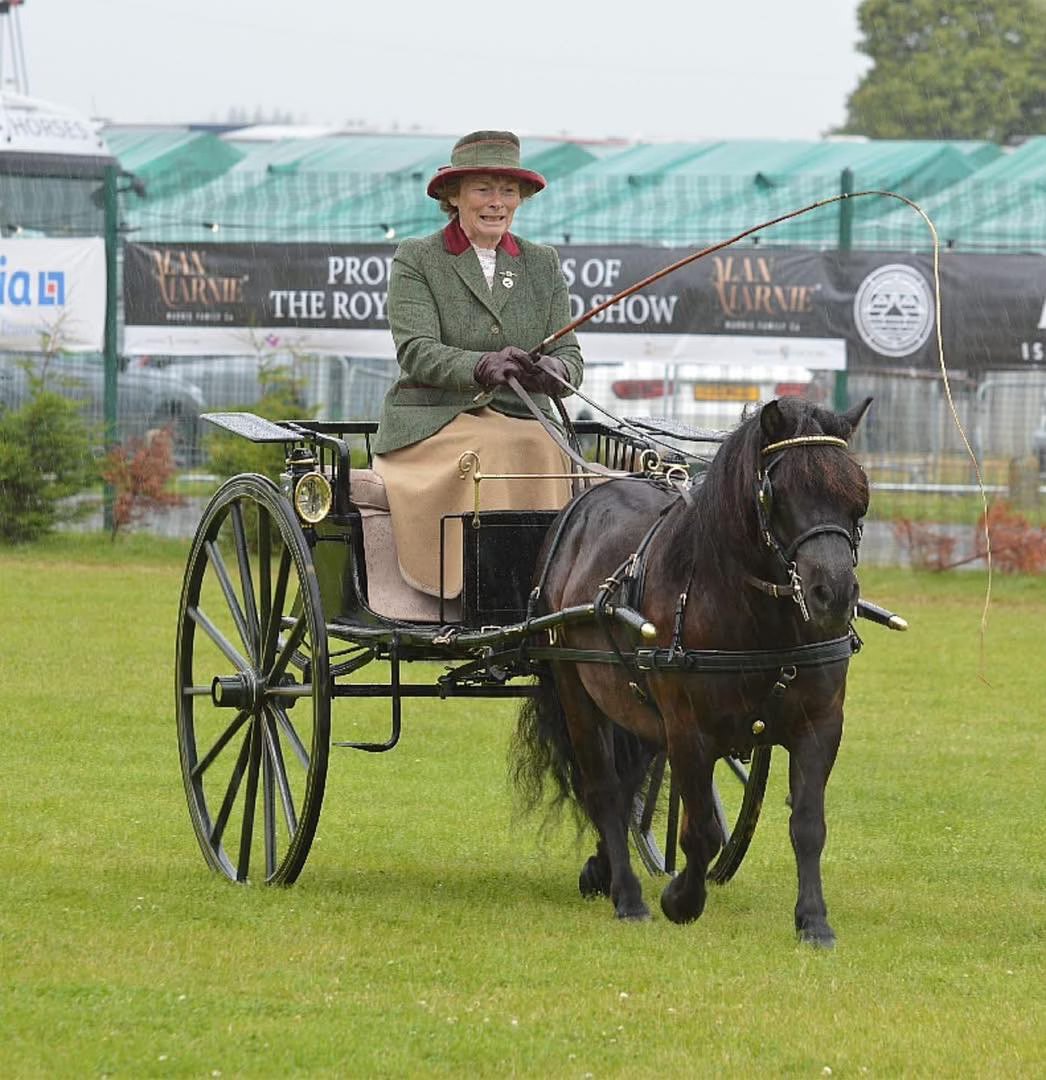
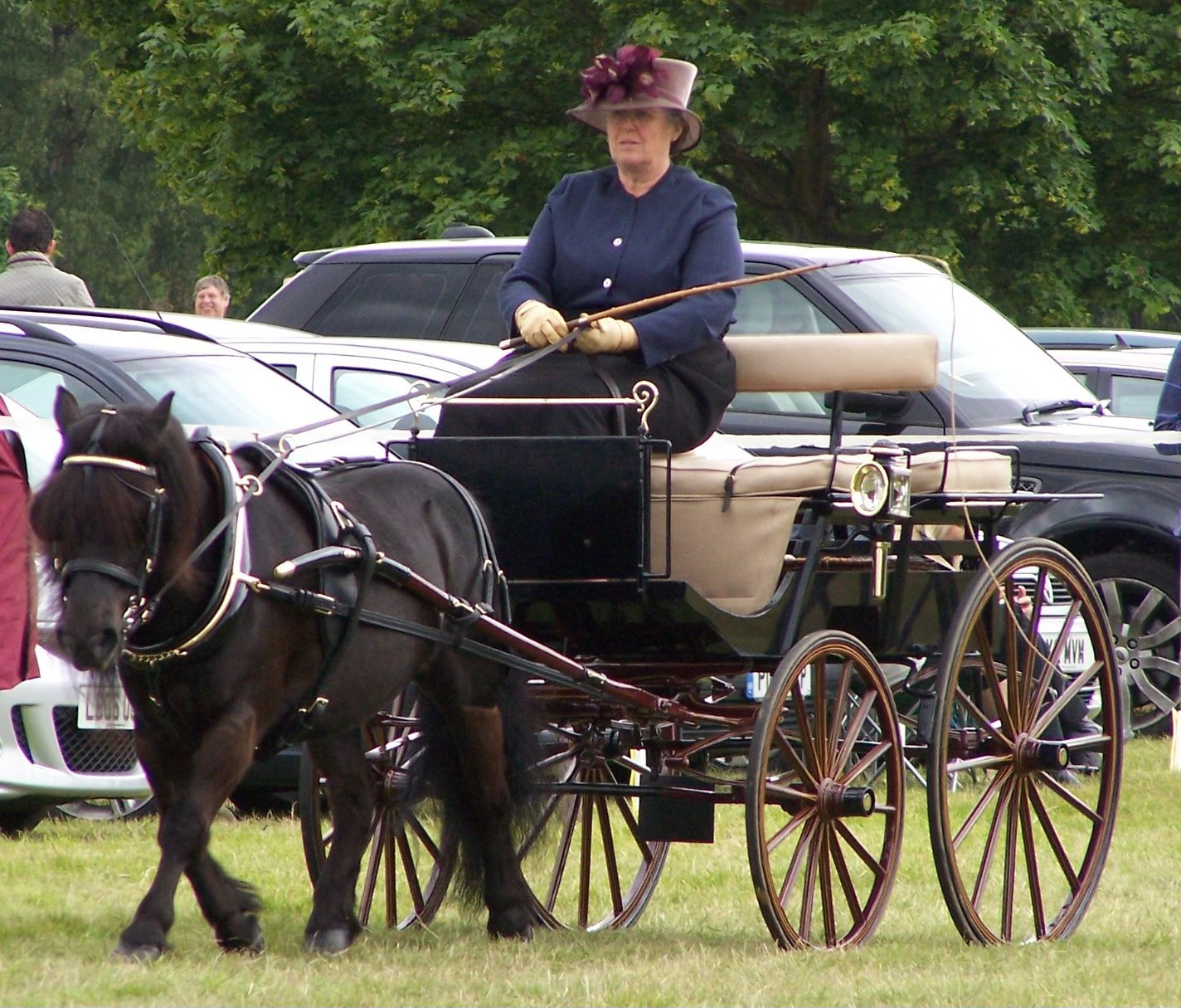
Sanders of Hitchin carriages are still a very popular choice today, particularly with pony drivers. Scottish driver Brenda Laing recently took delivery of her delightful Shetland Pony sized stick back gig to debut at the Glamis Attelage de Tradition competition in 2025. Another great advocate was leading Shetland Pony breeder and carriage Driver Vivienne Hampton with her exceptional Dog Cart that recently saw its transfer to the United States of America with keen Shetland enthusiast Anna Bigelow happily continuing its legacy.
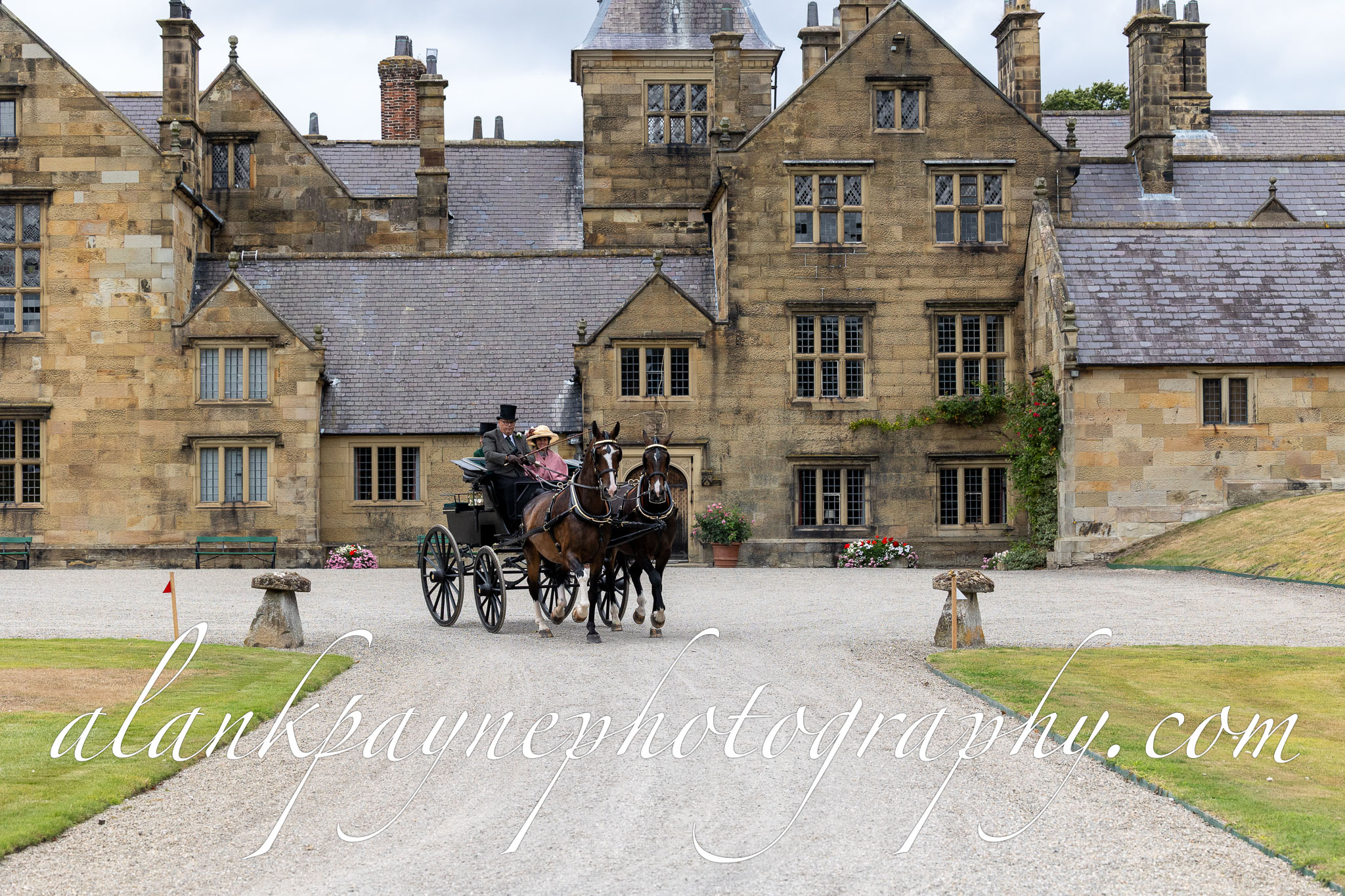
We also feature Medina Dicks with her original Sanders Empress Governess cart competing at the Mostyn Attelage de Tradition
It’s great confirmation and a testimony to our forebears with their exceptional build quality and superior design of these original vehicles that we still celebrate and enjoy today.
If you would like to learn more about the work of the AIAT and its goal to preserve our heritage and promote original traditional carriages, please visit our website or come along and participate or spectate at one of our regional and international AIAT competitions this year – you will be more than welcome.

Add Your Heading Text Here

Thomas Tilling

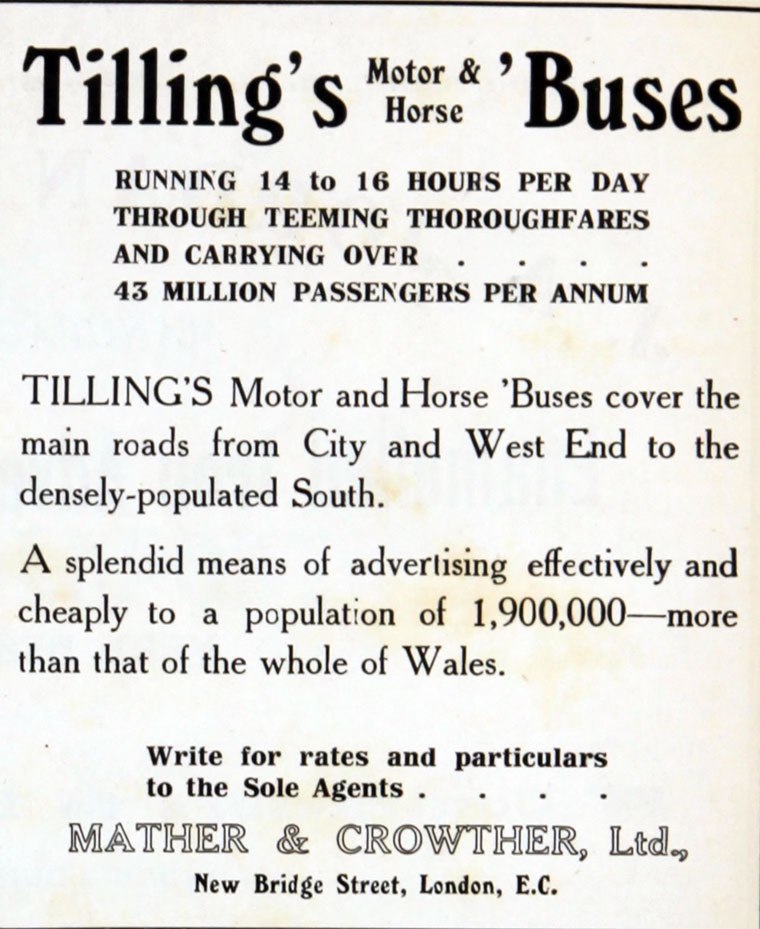
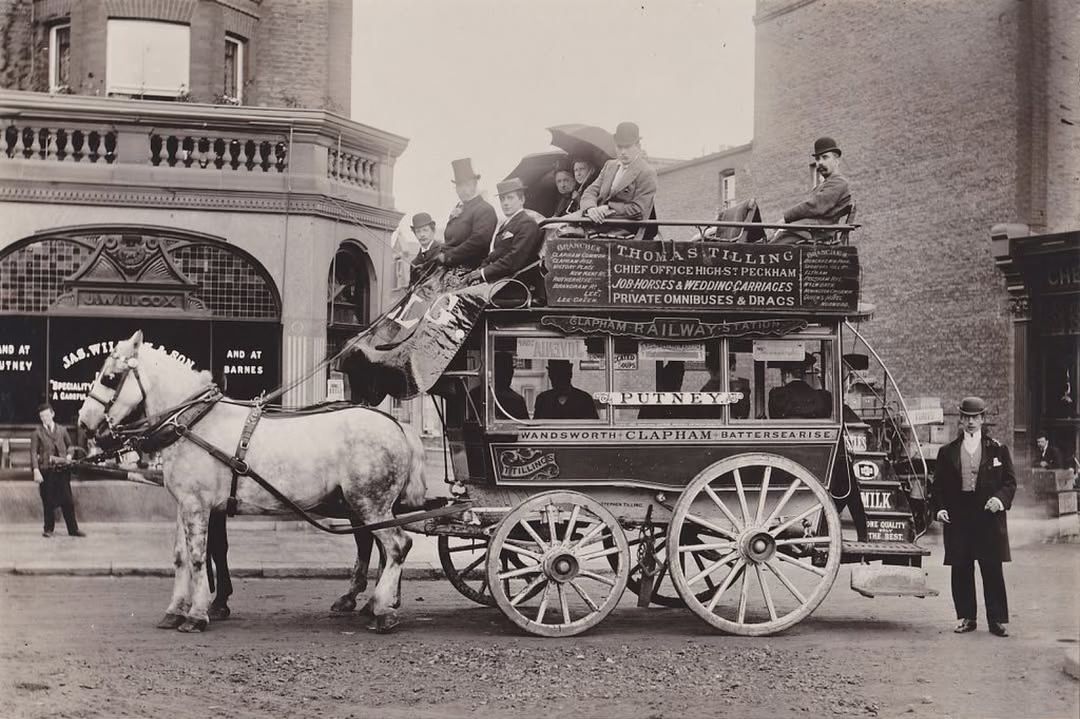
Thomas Tilling was a prominent builder of quality horse drawn carriages, London Transport entrepreneur and job master who operated a vast fleet of horse drawn buses and general carriages. By the time of his death in 1893, his company owned a stable of some 4,000 horses and a large number of vehicles including a fleet of horse buses. His business also supplied the Metropolitan Fire Brigade supplying horses and training them to pull the fire engines. His sons continued the business in 1897 making motorised double decker omnibuses up until the last horse drawn omnibus was retired in 1914 when all the horses were requisitioned for the war effort.
The company continued making buses for London Transport before being acquired in 1983 by BTR plc.
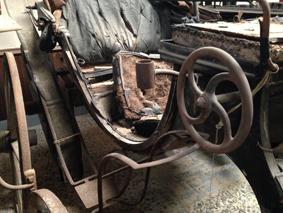
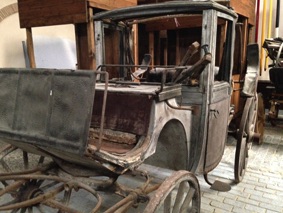
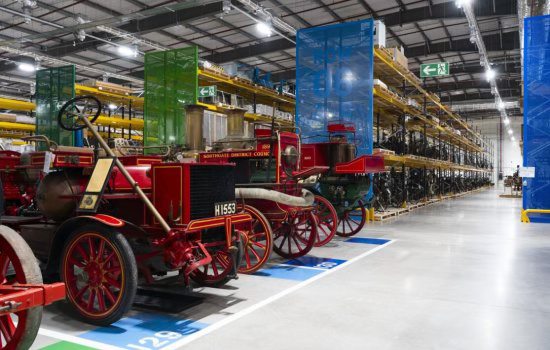
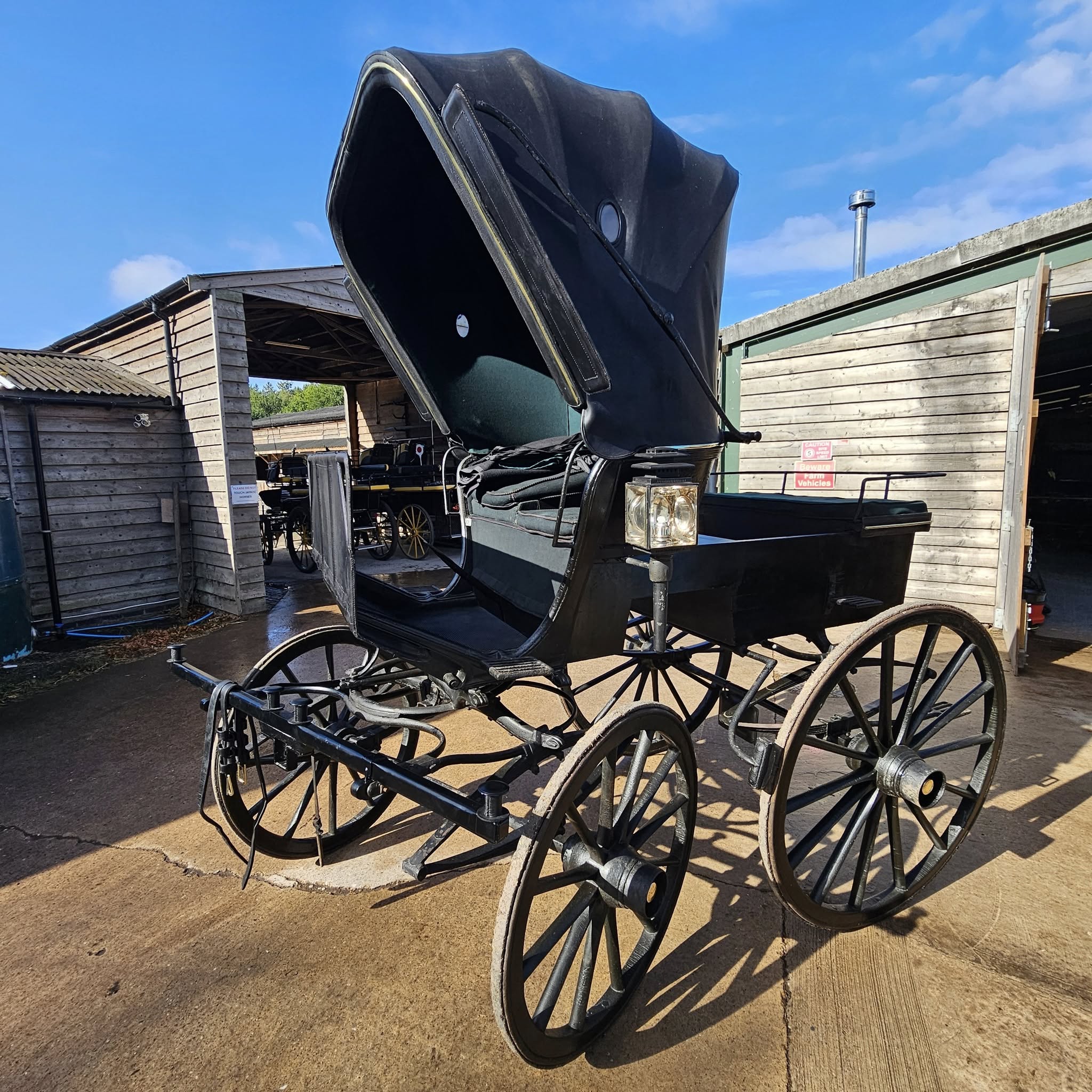
Russell Hand in his quest to find a truly authentic original carriage suitable for Attelage use came across his hooded Thomas Tilling Phaeton from a select sale of surplus stock from he Science Museum depository. Still in untouched original condition, Russell had the vehicle checked over for essential safety precautions and was able to debut the vehicle for the 2025 Attelage Season. This represents the true ethos of Attelage de Tradition which encourages and promotes the use of our heritage with original vehicles being used rather than being static museum pieces.

Add Your Heading Text Here

William Semmence of Wymondham

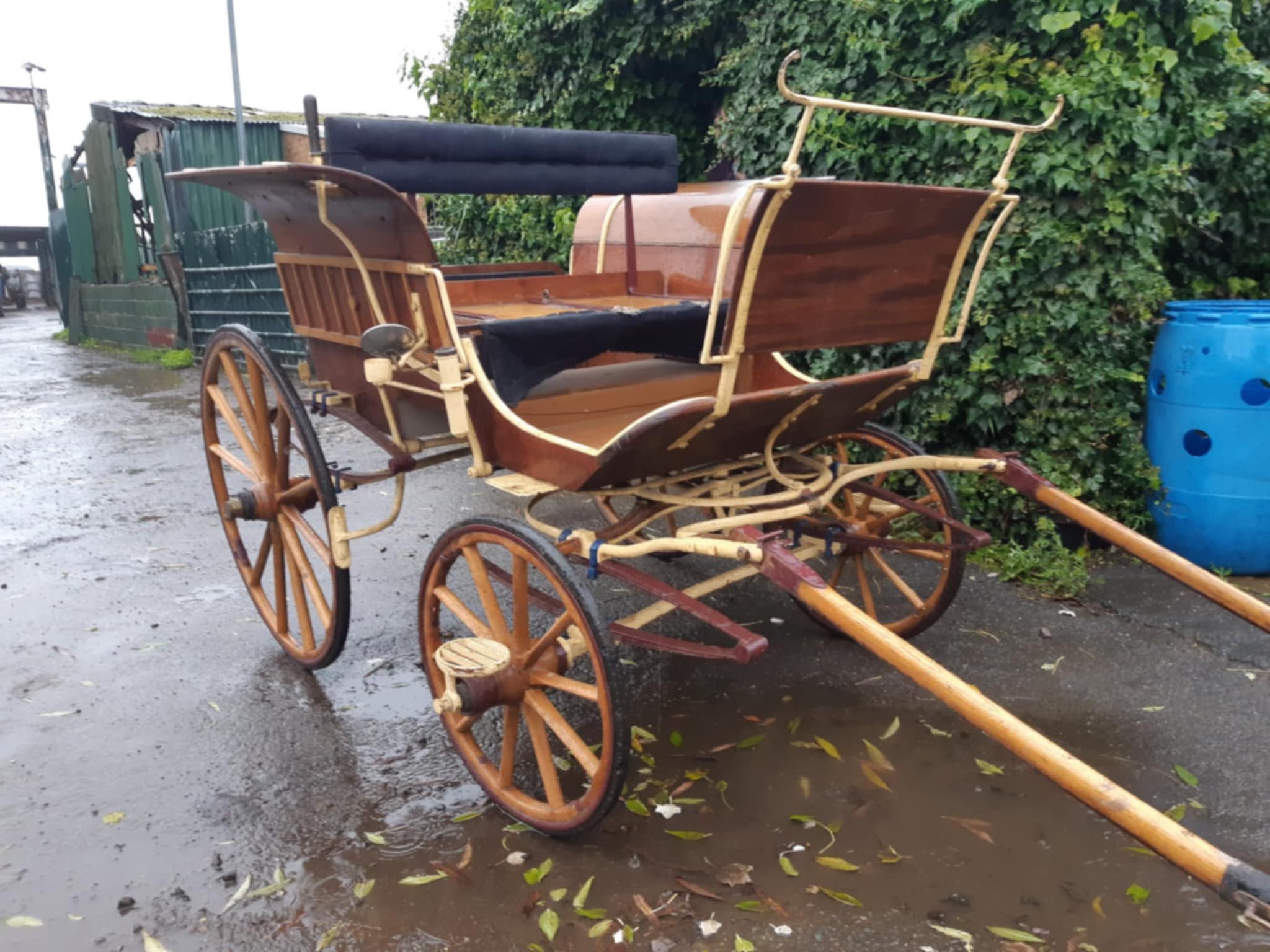
This time we celebrate the humble Governess Cart, for a long time the unloved poor relation of the carriage world, but now enjoys a healthy revival in the world of Attelage.
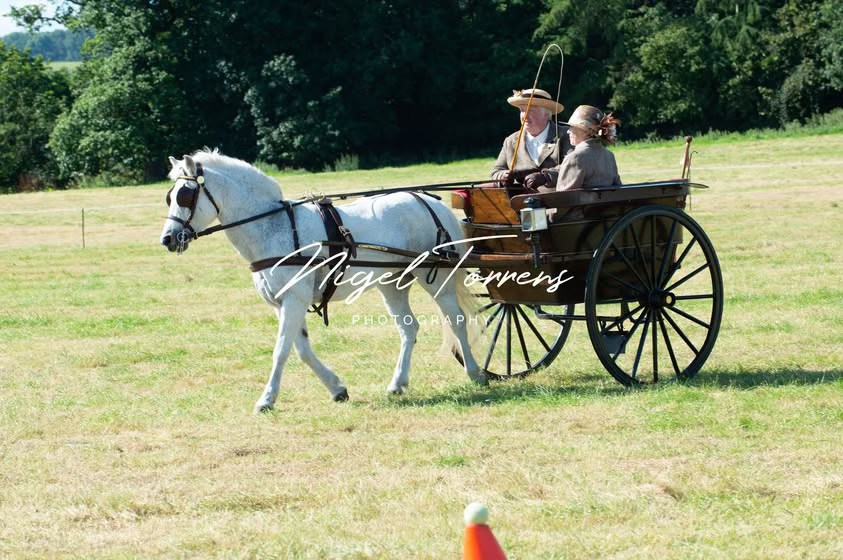
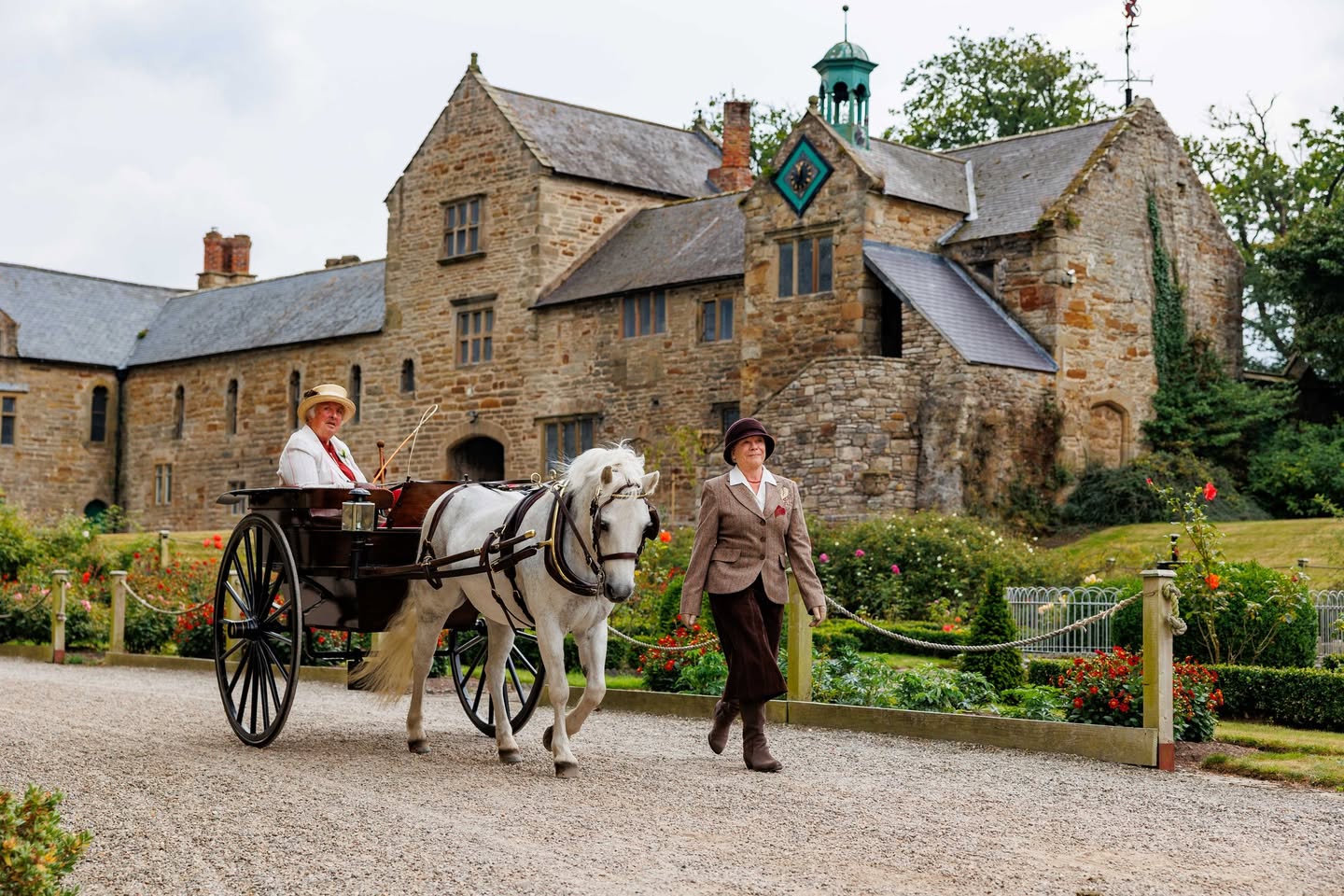
The Governess cart was an essential addition to any grand English Country Estate where the noble’s children were educated by their Governess. The Governess would transport the young children safely around the estate or on errands into the village within the enclosed confines of this purpose built carriage, carefully designed to prevent any of the children falling out! The vehicle was precariously balanced over its distinctive low slung crank axle to accommodate a low entrance to the back of the vehicle. There was a frequent need to shuffle the passengers around to get a good balance! Whilst the children would be sat in the vehicle, the governess would often walk alongside the horse.
This week, keen attelage enthusiast, Jane Friend from Herefordshire tells us the story of her delightful little vehicle:
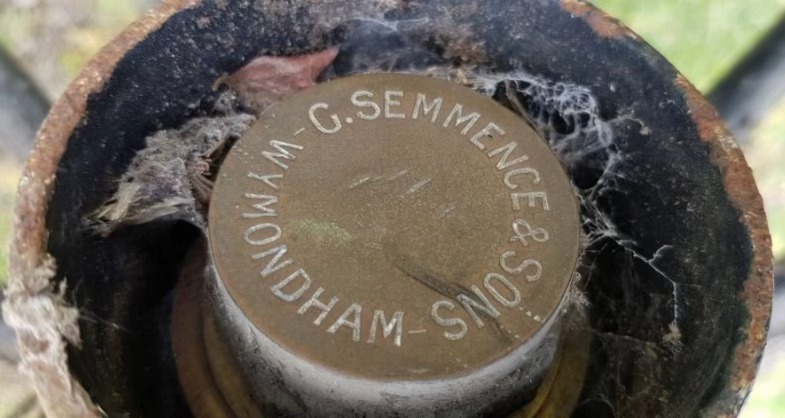
“The sawmills firm, Semmence, had its origin at Carrick Saw Mills Wymondham. On the death of its founder, Robert, in 1893 it was inherited by his sons, the eldest, George, undertook the building of horse drawn vehicles ranging from lightweight carriages to heavy farm tumbrils, (as listed in Kelly’s Norfolk Directory 1904). The business was sold in 1917 but the coach building was continued for a further two years by his son, Herbert, who then changed to motorised coaches as it still functions today.
This history places our little governess cart to have been built about the turn of the century. The axle is stamped from Wednesbury iron works.
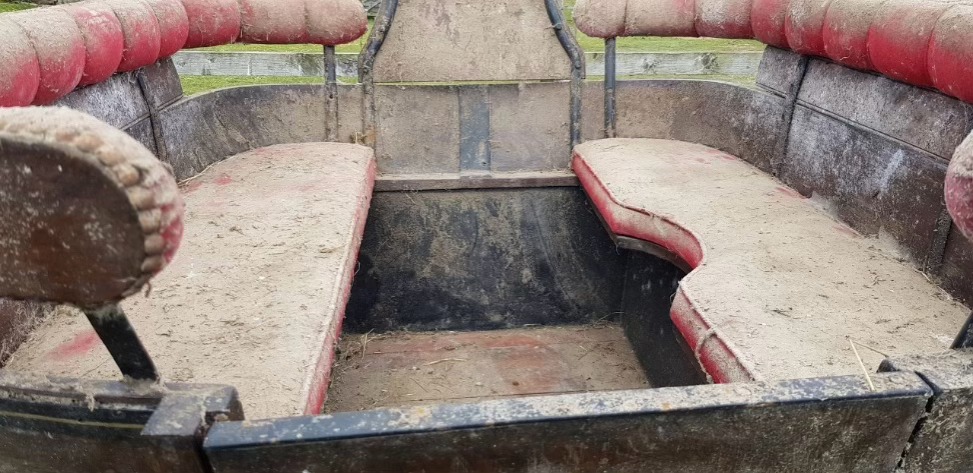
We have verbal history that it was used by a vicar in Norfolk to travel to his church for many years possibly back to the 1930’s. Late 1980’s it was purchased by a local doctor and it came to Herefordshire for the pleasure of her children. Put into her barn when the had grown and it failed to see the light of day until 2022 when the said doctor was trying to sell it although not realising the sale of governess carts was no easy matter! And she received no interest or offers made a little more awkward as she had overestimated the height of pony suitable which was why it originally came to our attention. However, we did not forget the sad little thing and when my bigger cob moved on to a new home we returned, succumbed, and thought well, why not! so despite advice against our plans it came into our hands to be used by my experience 12.2 Dartmoor pony. The filthy little vehicle, like the ugly duckling, with considerable cleaning and a few minor repairs and some tender loving attention we discovered a swan, even it was a lowly specimen of that breed of bird/carriage!
Subsequently following much welcome and smiling interest at Mostyn we heard from people with greater knowledge some more information that could have been involved with earlier history. It seems possible that it might have been made for one of the grander estates around Norfolk as it is of a lighter and finer build than one would expect of a vehicle built for robust use on country roads. We recognise that the upholstery is certainly not original but the cost of re-instating with correct material must be left to someone with deeper pockets than ourselves.
Although this small vehicle would have been destined for use by the governess and the children so it had its own special place beside the grander and larger vehicles of the household.”
If you have enjoyed this tale and would like to tell us the story of your vehicle, please get in touch, we would love to hear from you.

Add Your Heading Text Here

Mulliner of Northampton

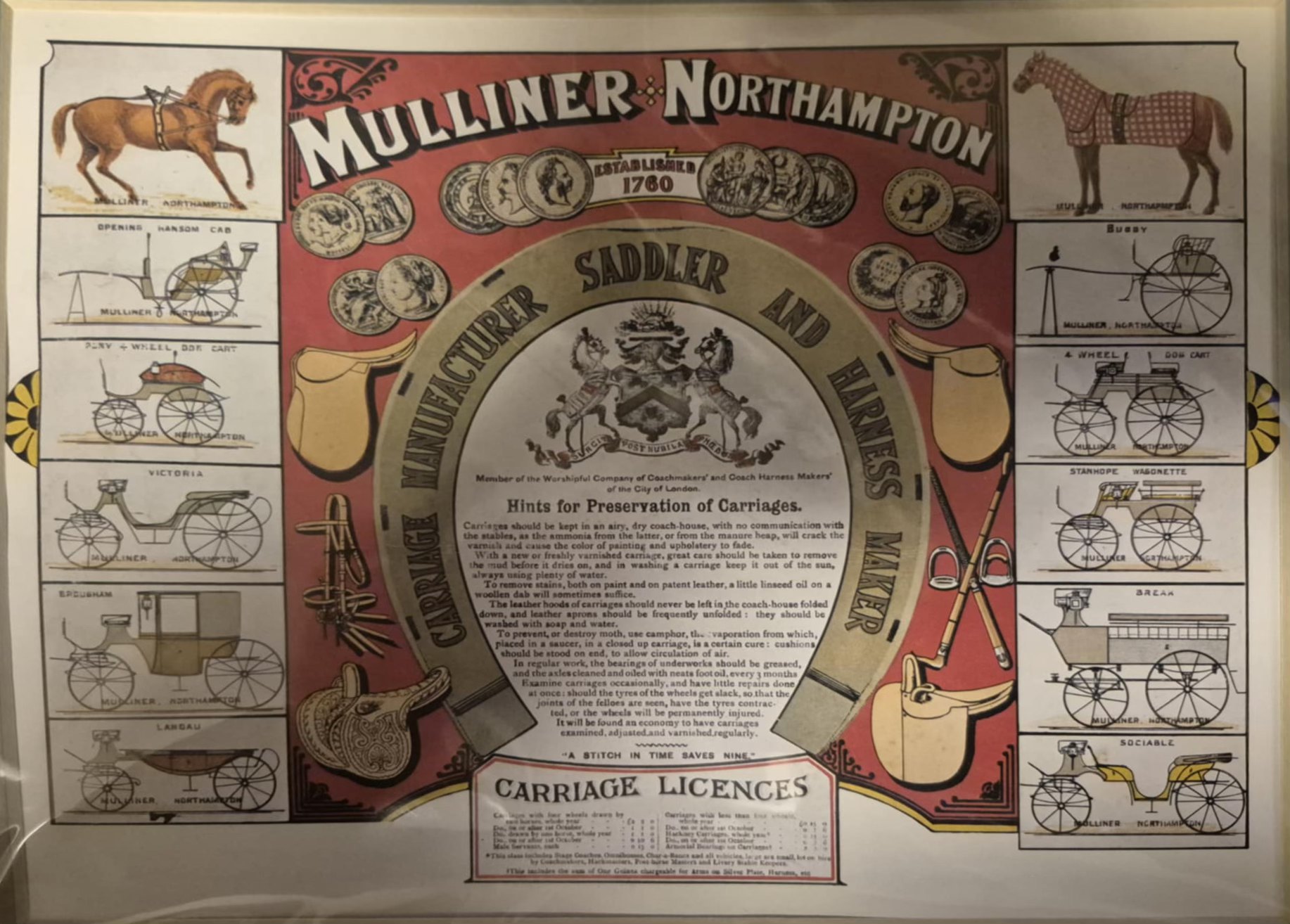
In this post we discover the remarkable unexpected provenance of a simple pony carriage from one of our keenest supporters of Attelage de Tradition – our very own Yorkshire lass, Leah Swindlehurst!
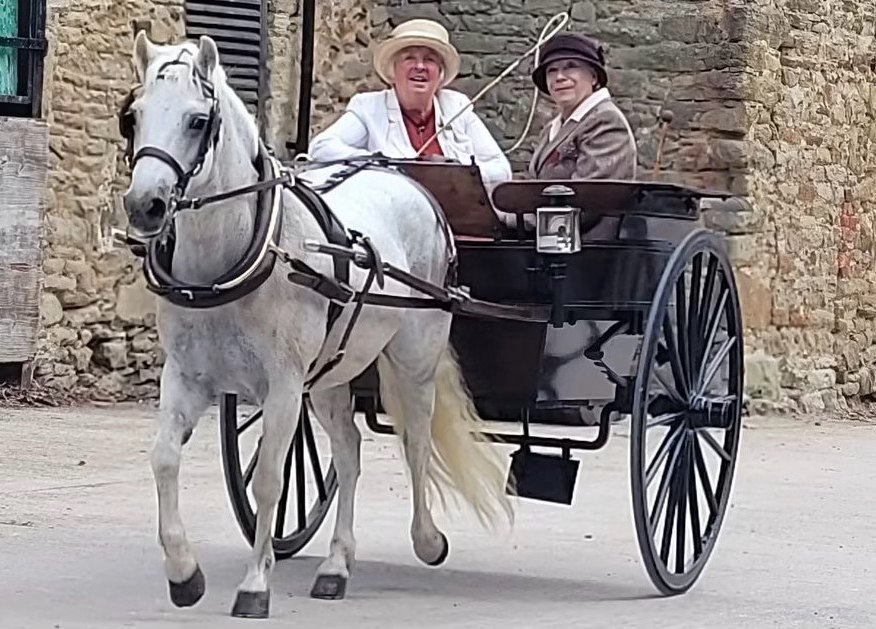
Leah reports that she was looking for a small traditional vehicle suitable for her pair of Welsh Mountain Ponies. Small vehicles are an extreme rarity as larger carriages and horses were more robust and ideal for daily transport needs that covered long distances with ease. Small carriages with small driving ponies were seen as somewhat novelties, but perfect training turnouts for children learning to drive (as the case in Spain today) and for noble ladies to amble around their estates. Given their purpose, any surviving small traditional carriages are rare and very precious.
During her quest searching for a small carriage, Leah stumbled upon a carriage thanks to Facebook located in a village near Northampton. Checking it’s hubcaps, she discovered ‘Mulliner’ the coach builder who was originally based in Northampton. Looking rather tired and in need of a health check, Leah engaged the services of Philip Holder from Wellington Carriage Company who brought her little carriage back to life. Over the coming years and taking part in a couple of Attelage de Tradition tournaments, Leah has quietly and sympathetically made improvements to her little carriage to present one of the most unsuspecting but sweetest carriages on the circuit.
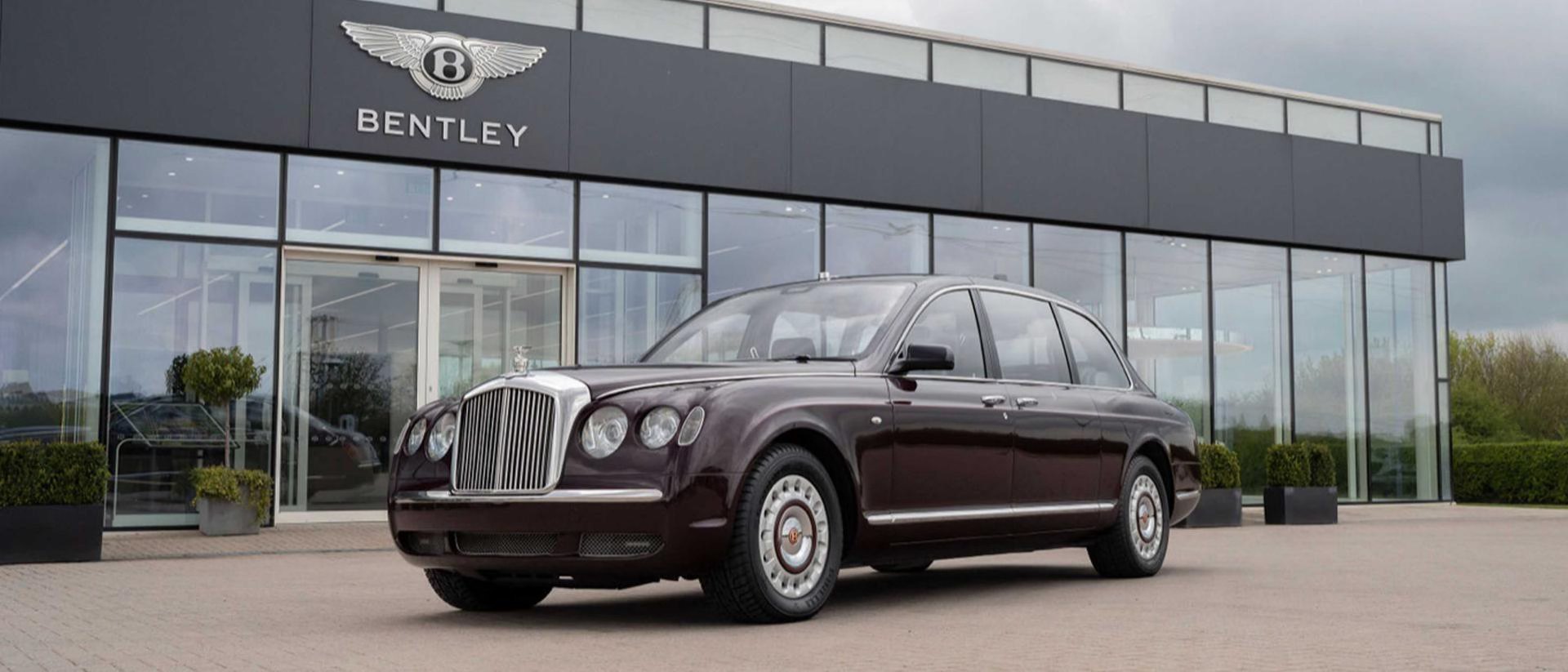
The Mulliner name still exist today as the official coach builders for the Bentley Motor Company including the construction of the State Limousine commissioned by the late Queen Elizabeth to celebrate her 50 years on the throne.

Add Your Heading Text Here

Fletchers of Swansea

The English Dog Cart with its distinctive bentwood sides was a popular utilitarian carriage favoured for use in the country with its robust and practical design with some models including rear seats. (The popular generic term Ralli Car only applies to Windover made carriages who feature shafts running inside and were subject to strict patents at the time). Today these sporting dog carts represent incredible value and are perfect as an entree into Attelage de Tradition as they offer practicality, affordability and comfort.
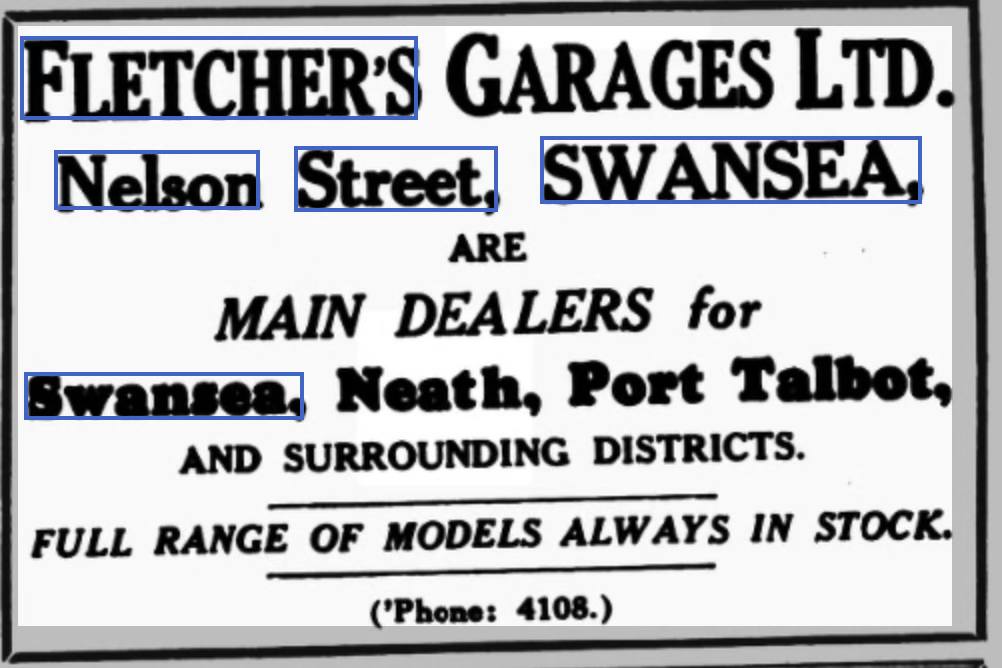
The featured carriage is the property of West Wales based Donna Harries with her mare May who competed at their first Attelage tournament at Mostyn in North Wales with her husband Paul Mander. Their vehicle too has a remarkable provenance having been commissioned by an eager owner at the turn of the century from H Fletchers of Nelson Street, Swansea in South Wales. The vehicle remained unused with Fletchers for generations, retained as a proud nod to their heritage in their showroom where its use was quickly surpassed by the advent of the motorcar. Like many carriage builders, Fletchers migrated into selling cars and became distributors for a number of major brands including Studebaker, the famous American Carriage and automobile maker.
In latter years, the Dog Cart became quietly redundant and unloved, but fortunately local carriage driving enthusiast David Hunter-Thompson purchased it and gave it a happy life competing at local shows and rallies. Recently, Paul managed to acquire the vehicle and with a light restoration, was proudly debut at the Welsh Attelage at Mostyn completing the full circle of Welsh provenance.

Add Your Heading Text Here

McMullen of Hertford

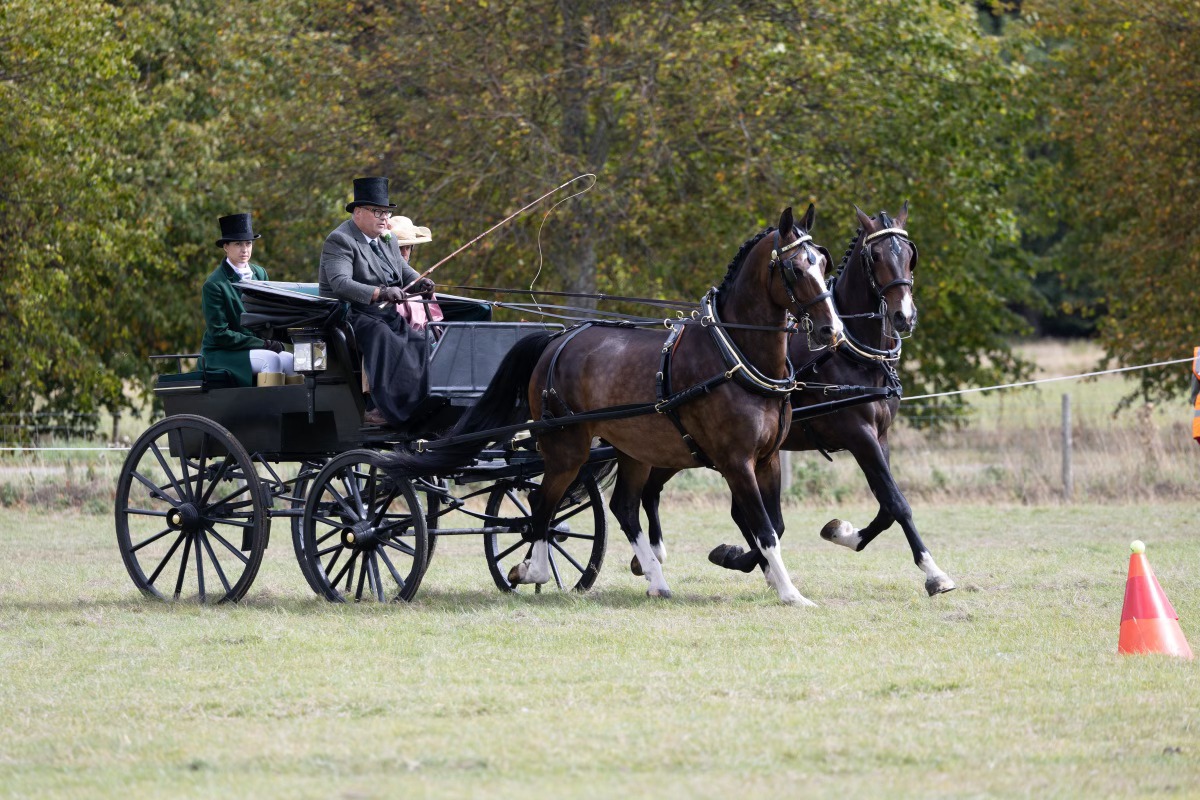
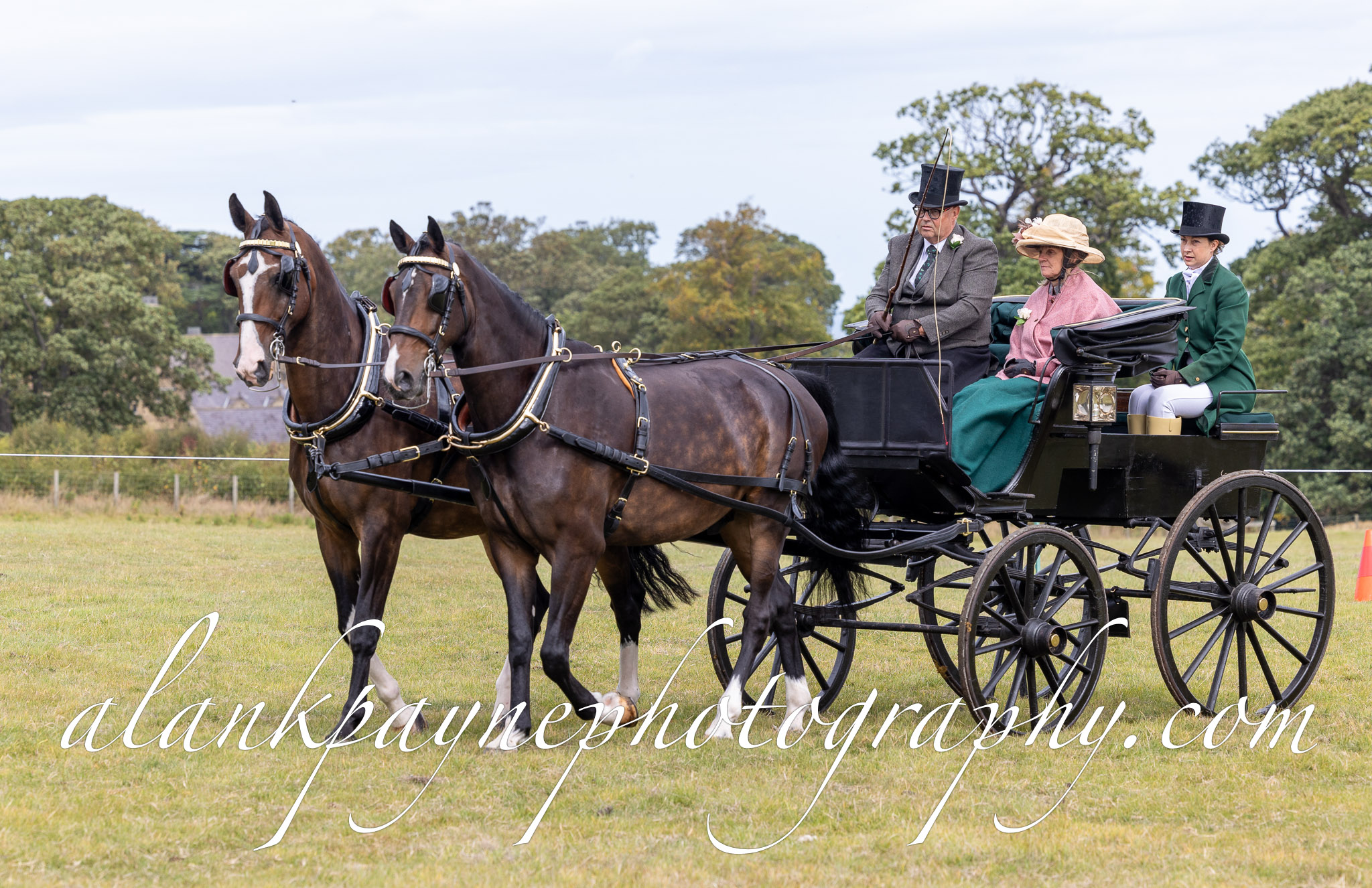
The stars of any Attelage event has to be the carriages and their incredible history. In this post we learn of AIAT GB Chair Rosemary Neale’s remarkable discovery of the history of her delightful pony phaeton.
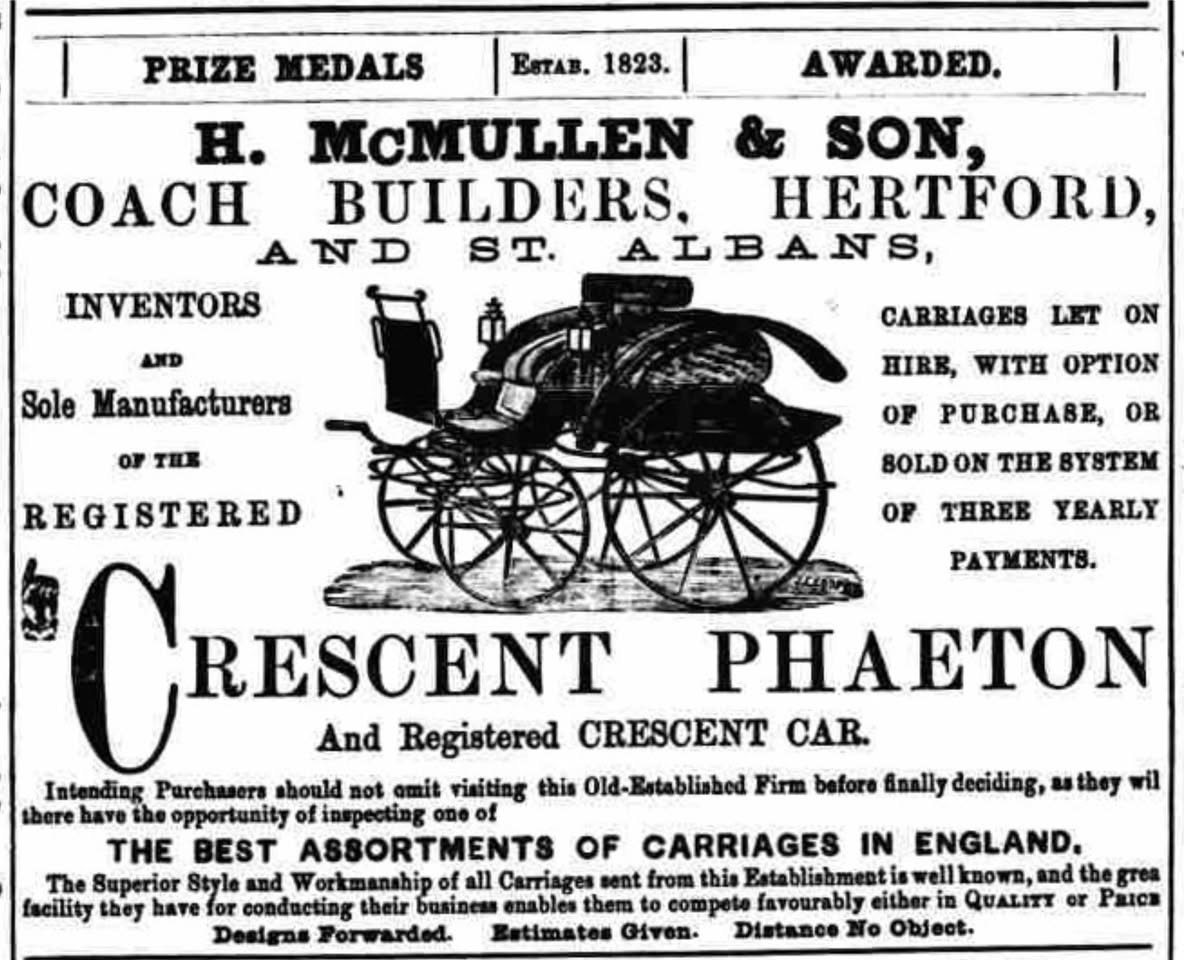
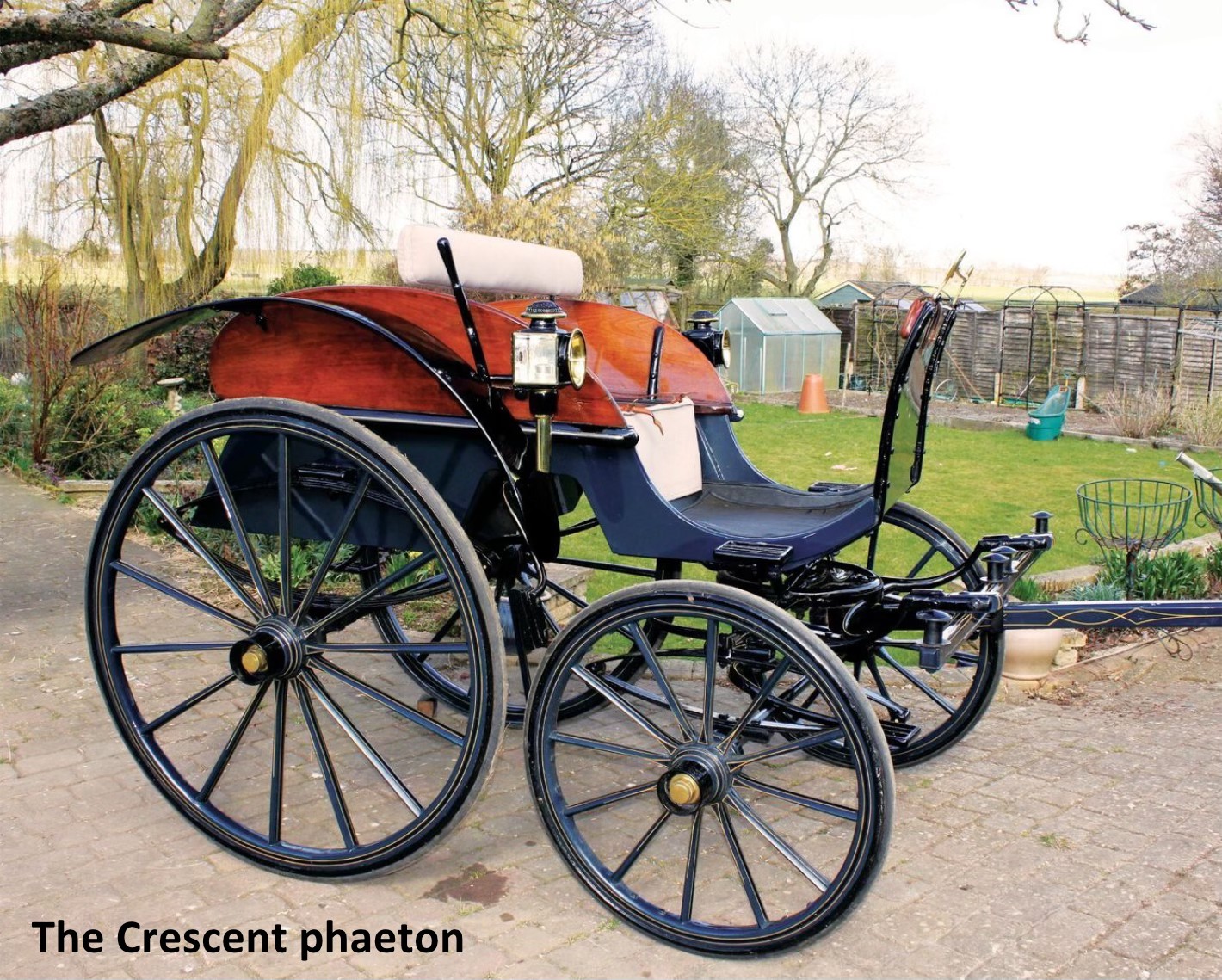
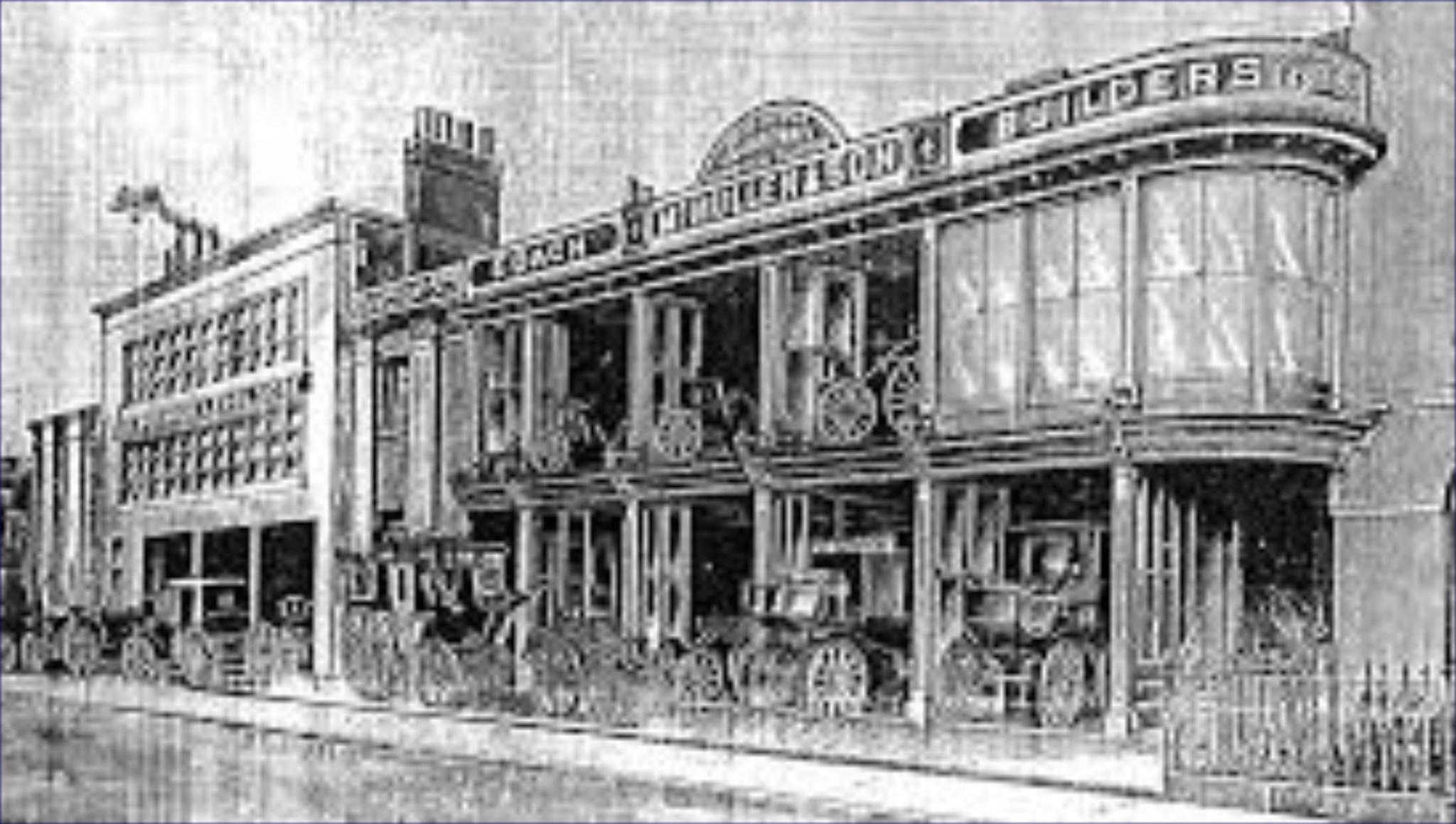
The Crescent Phaeton was made by Hertford Carriage Builder McMullen from 1886. Purchased from a Facebook advert, the carriage had lost all records of its history – save the makers name on the hub caps. After a bit of online research, Rosemary and Martin learnt that McMullen remain in existence today as a brewery – and still in Hertford! She reached out to the owners of the brewery to learn of the astonishing history of the company and the vehicle’s provenance including adverts for her very own carriage – the Crescent Phaeton.
After a light renovation, her carriage was brought back to life and has become a popular and successful sight on the national and international attelage de tradition circuit.
Like many traditional carriages, Rosemary’s Crescent phaeton carries a wealth of history on its back and its quite incredible to discover such detailed information. This is one of the many charms of Attelage de Tradition where competitors are re-discovering the back history of their vehicles – whether it’s a simple governess cart to a park drag.
If you have been inspired by this feature and know your vehicles history, please get in touch and tell us your story.

Add Your Heading Text Here