ATTELAGE DE TRADITION
With grateful thanks to Jane Robinson
Hon Judges: Richard Lanni (AIAT GB), Paul Mills (AIAT GB) Eduardo Mirua Cruz (AIAT Portugal) TBC
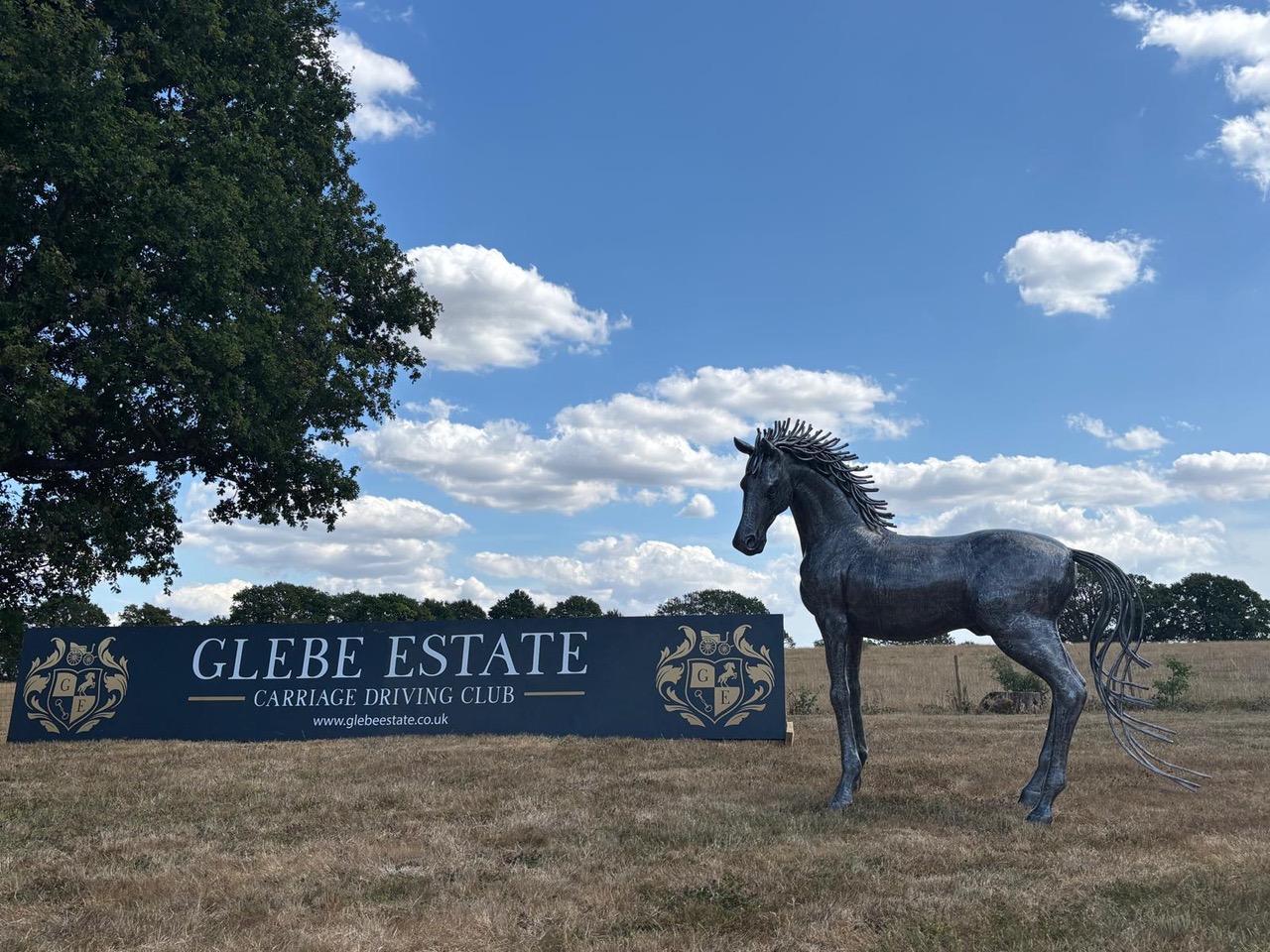
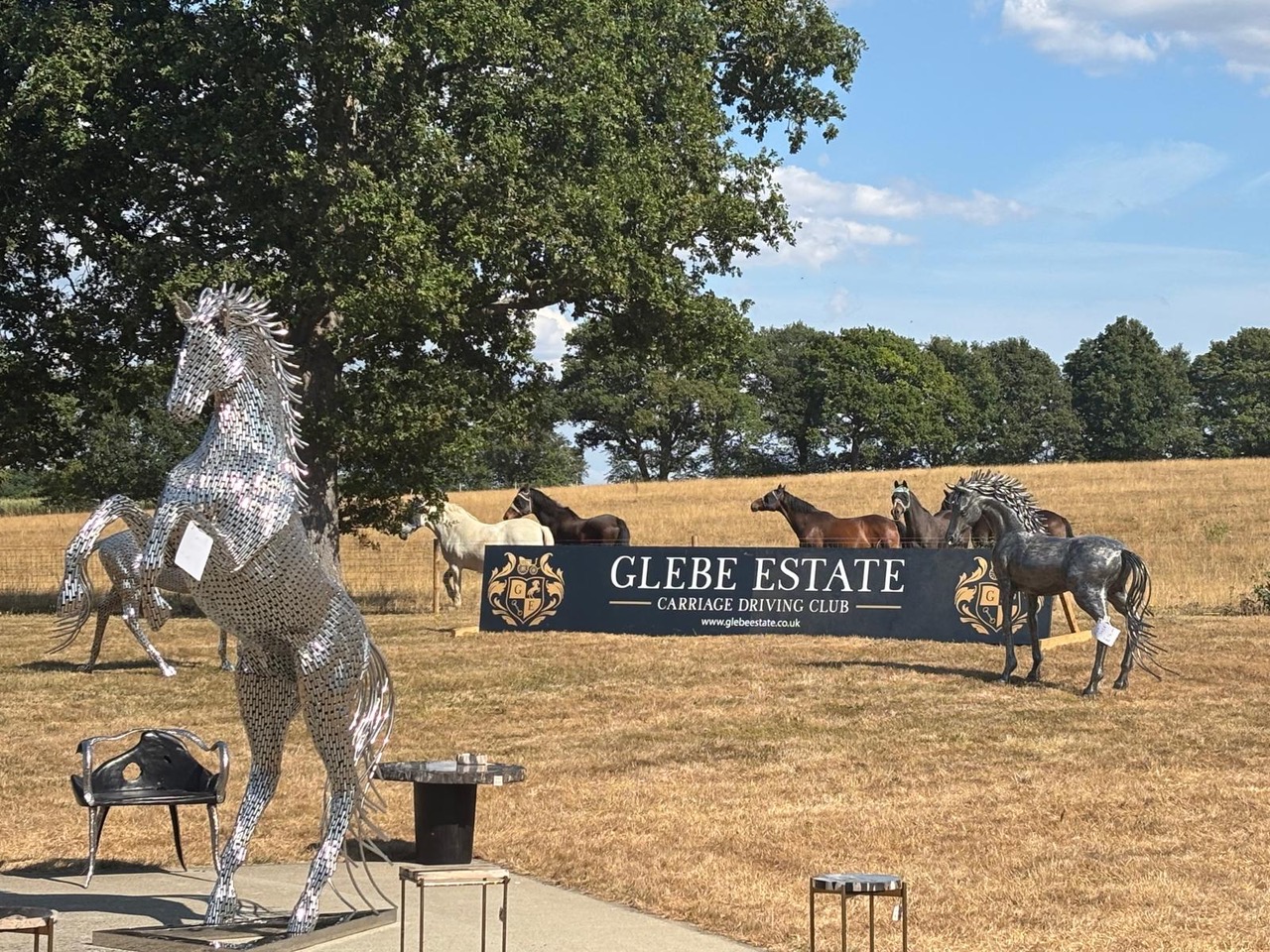
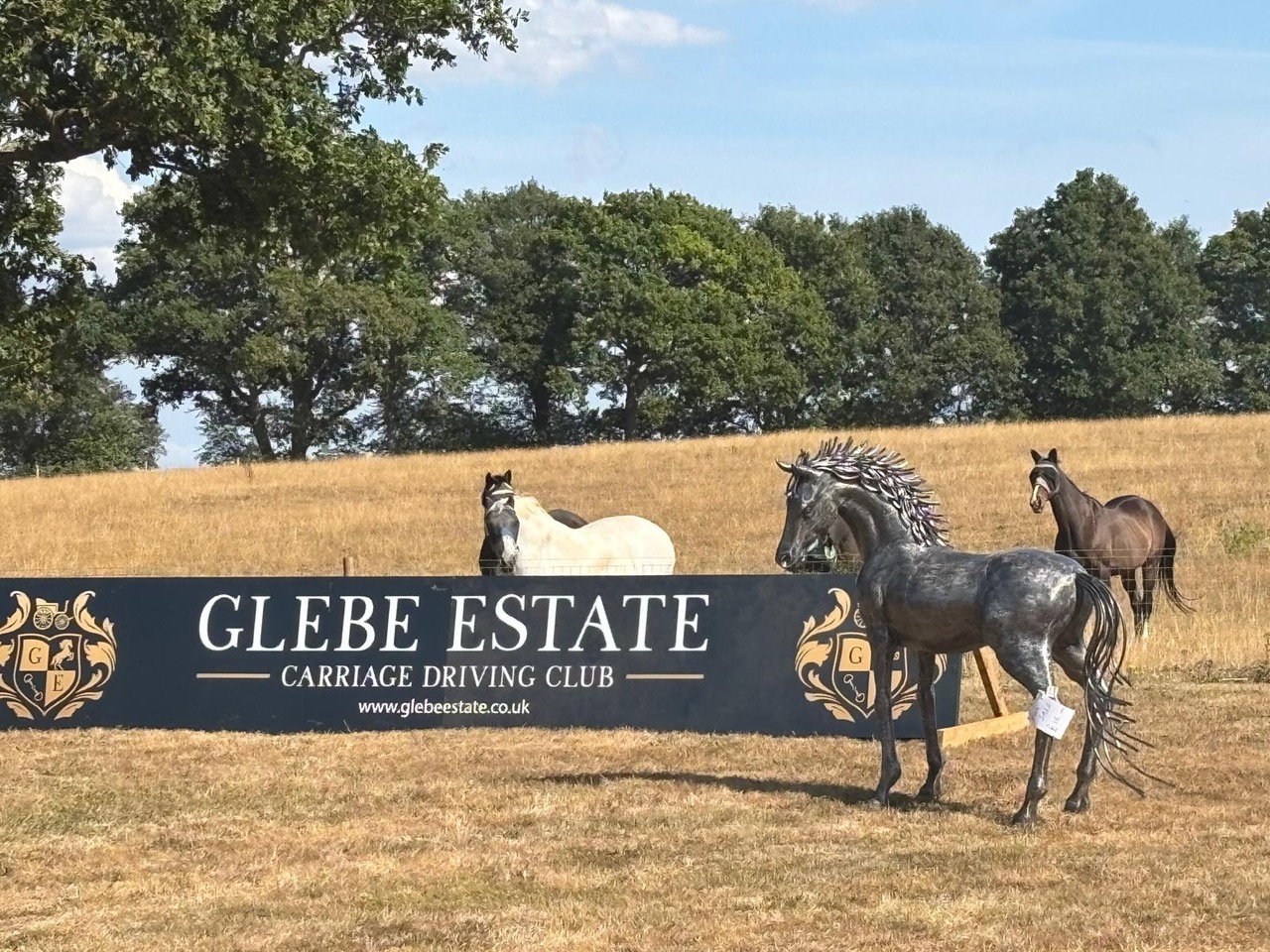
Enjoy a warm welcome at our latest new venue in the heart of glorious Sussex
Clothals Farm,
Clothals Lane,
West Grinstead,
RH13 8NE
Caroline Court
Tel: 07743 417915
Come and join us at any one of our events in the United Kingdom this year- you will be assured of a prefect welcome.


As an authorised Rolls-Royce Motor Car Dealer, Bentley Service Dealer and Rolls-Royce and Bentley Heritage Dealers, P & A Wood specialise in sales, service and spare parts for the entire range of pre and post war Rolls-Royce and Bentley motor cars from 1904 to the present day.
BY DAVID BURGESS-WISE
From an article in ‘The Automobile’ magazine
Dear Scott,
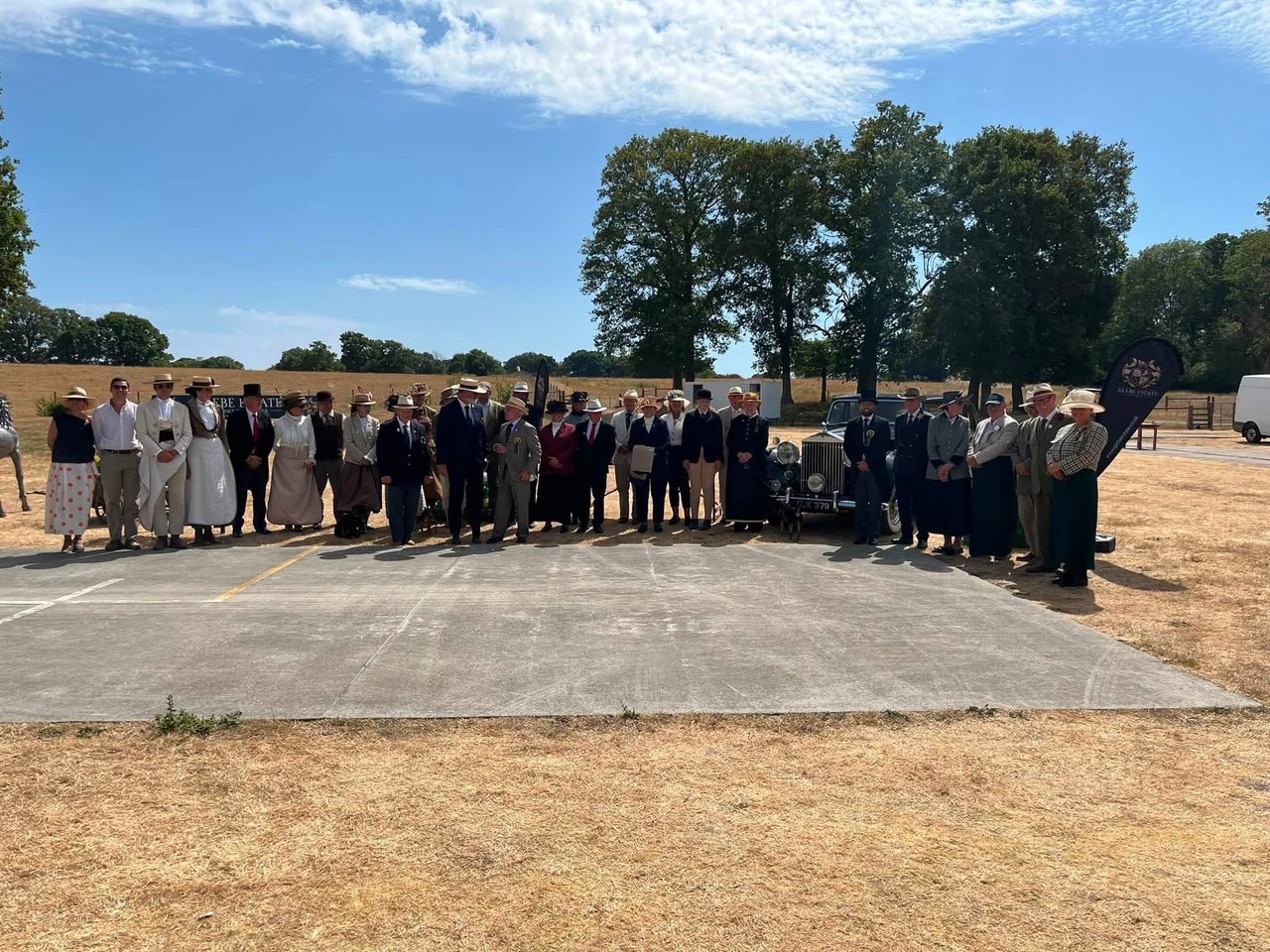
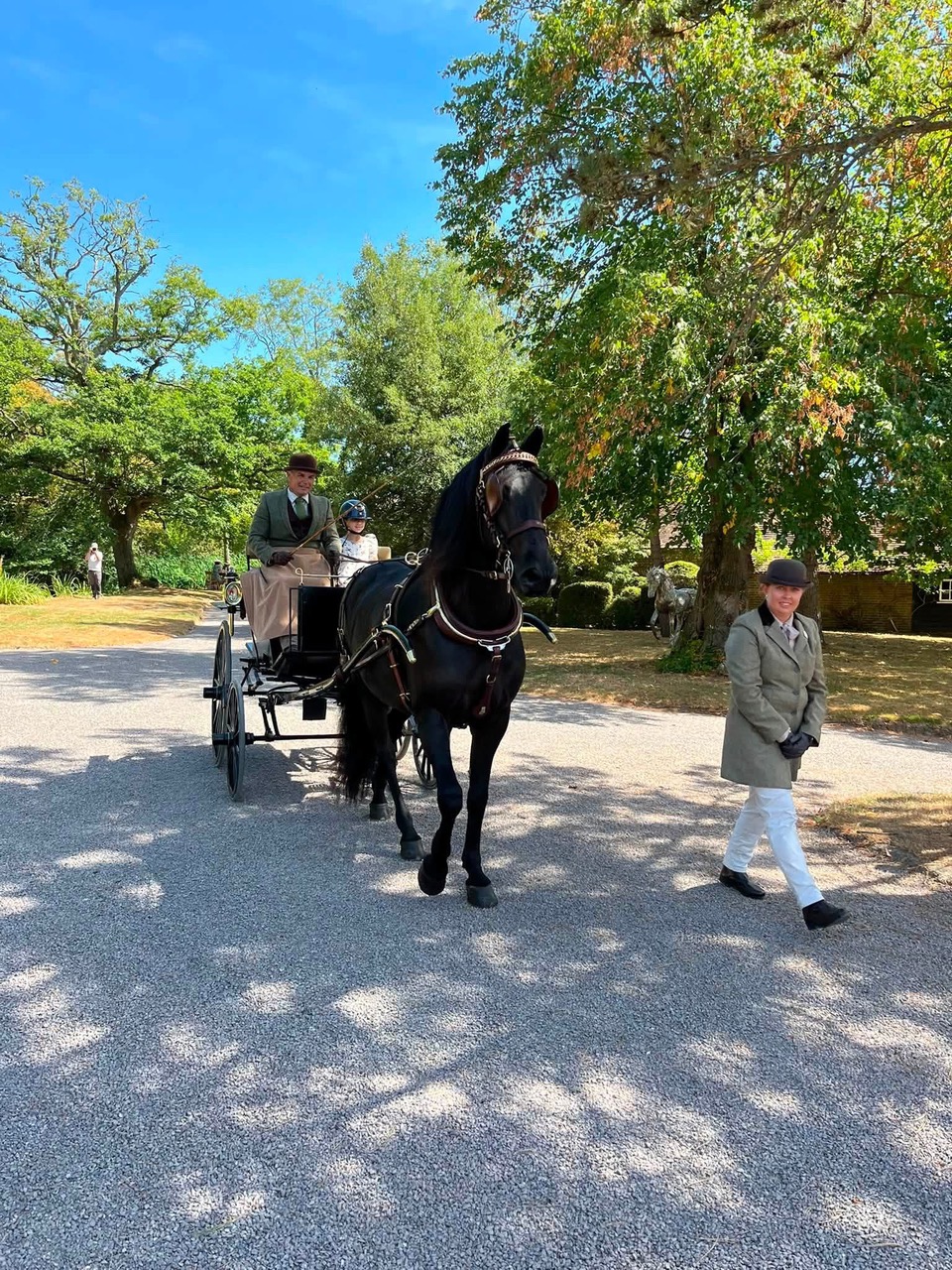
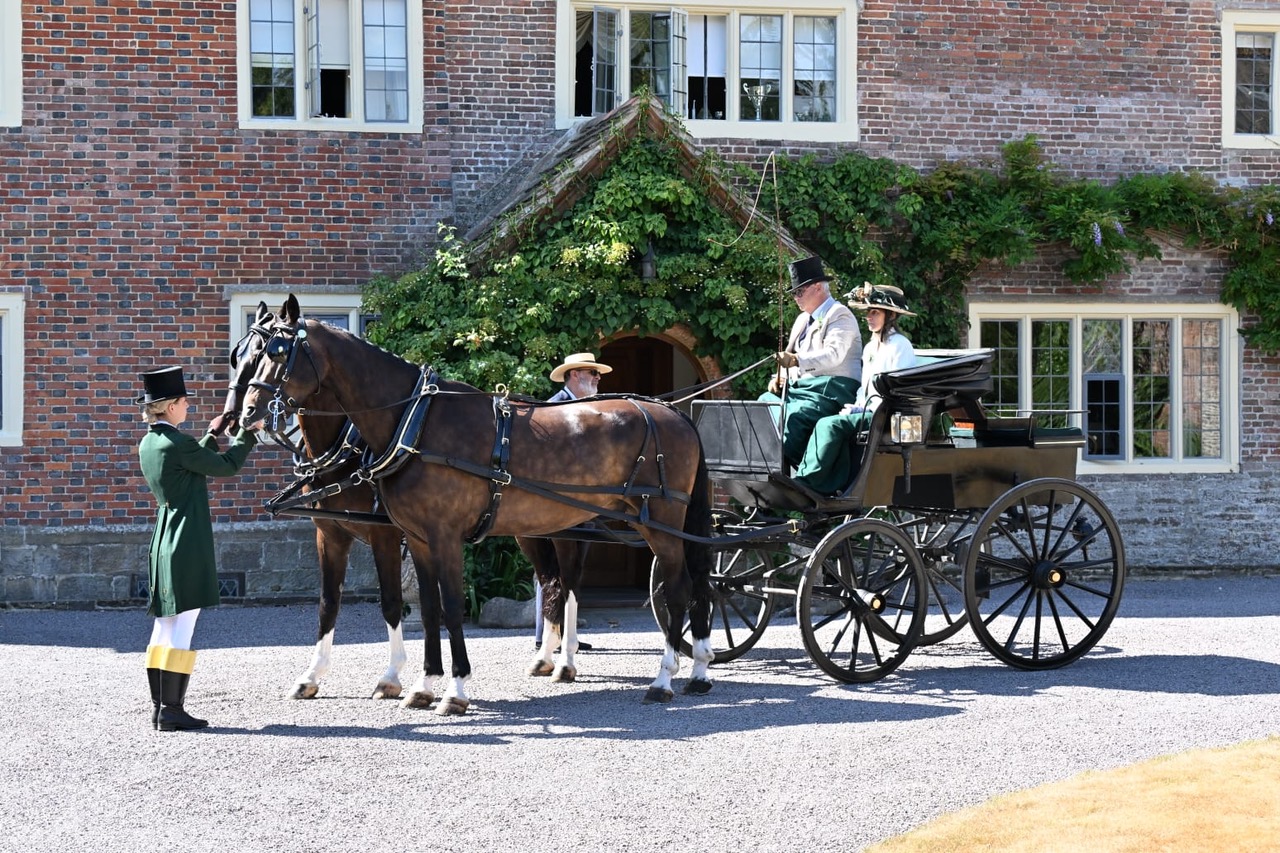
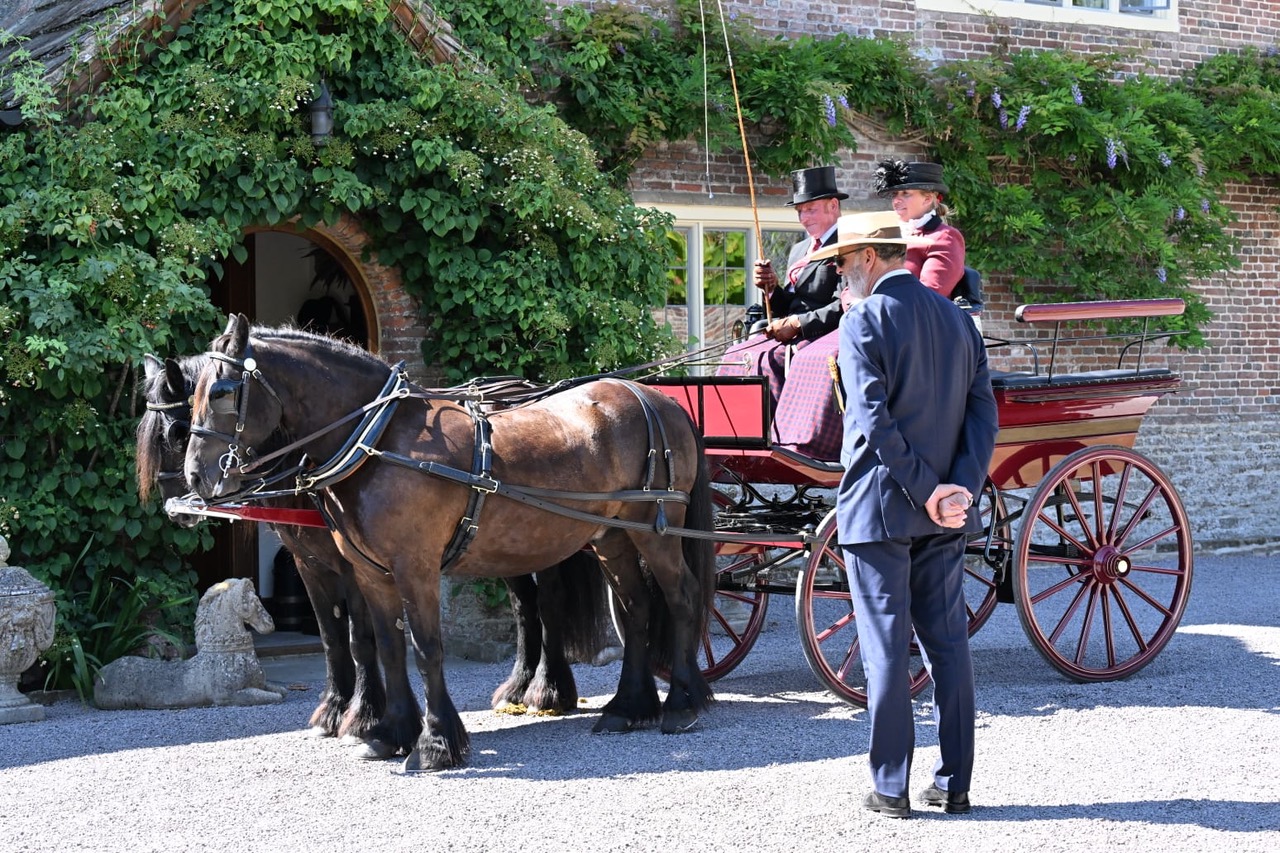
While VSCC members were celebrating mechanical horsepower at Vintage Prescott in early August, I was involved with a very different kind of horsepower, spending a weekend with members of the Attelage de Tradition, an international organisation that encourages traditional carriage driving using original horsedrawn vehicles. I’d been asked to be a speaker at its black-tie dinner, tracing the way that names of horse carriage types have been adopted by the motor car – words such as coupé, landaulet and brake (or break – the two spellings are interchangeable, deriving from a type of carriage used to ‘break-in’ untrained equines).
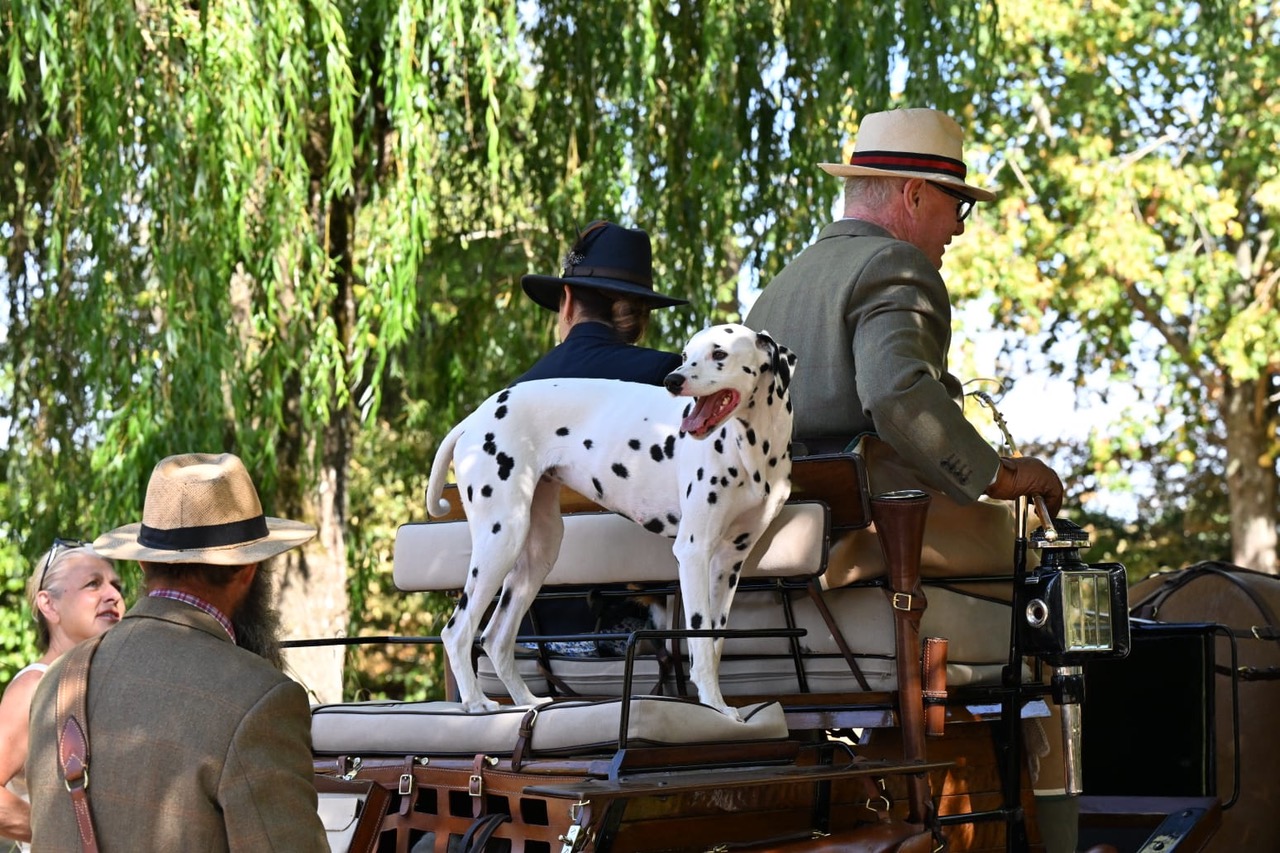
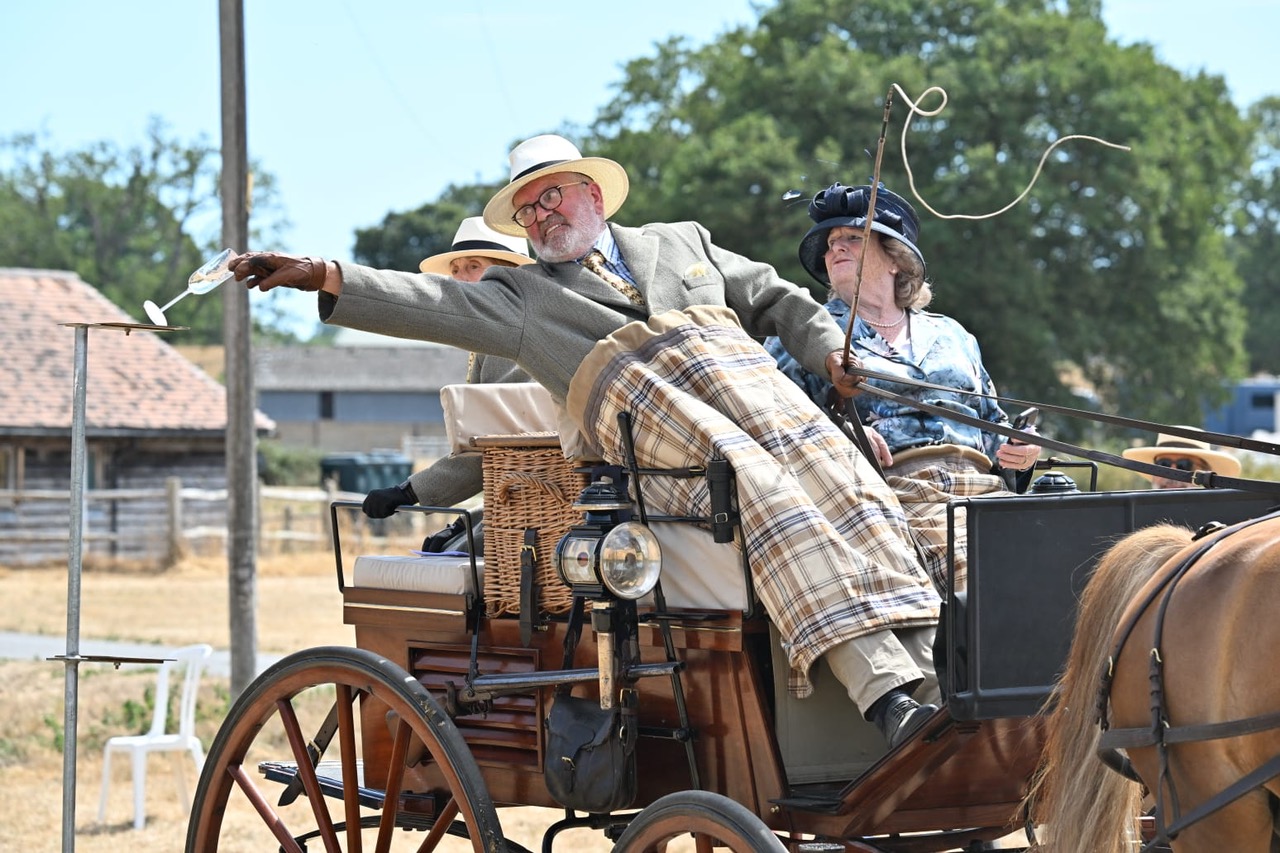
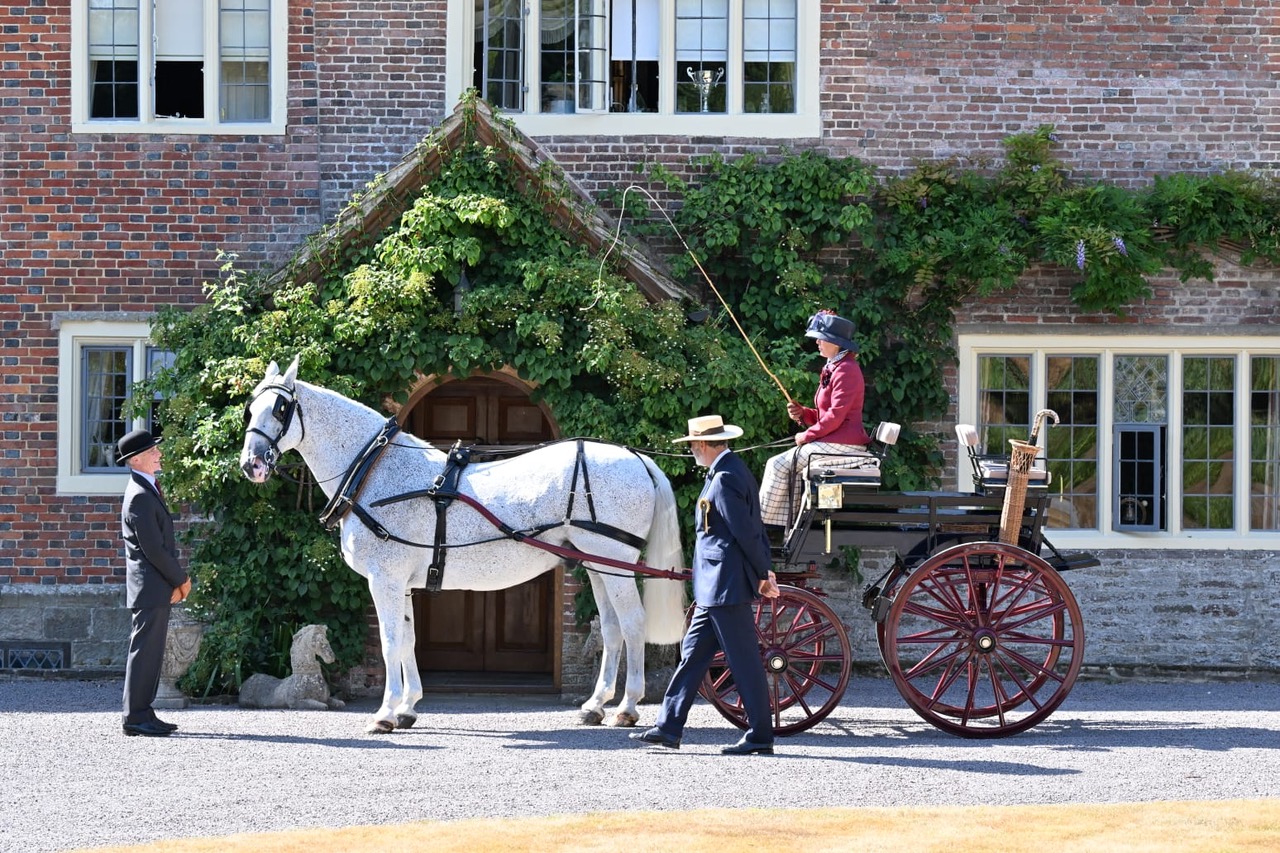
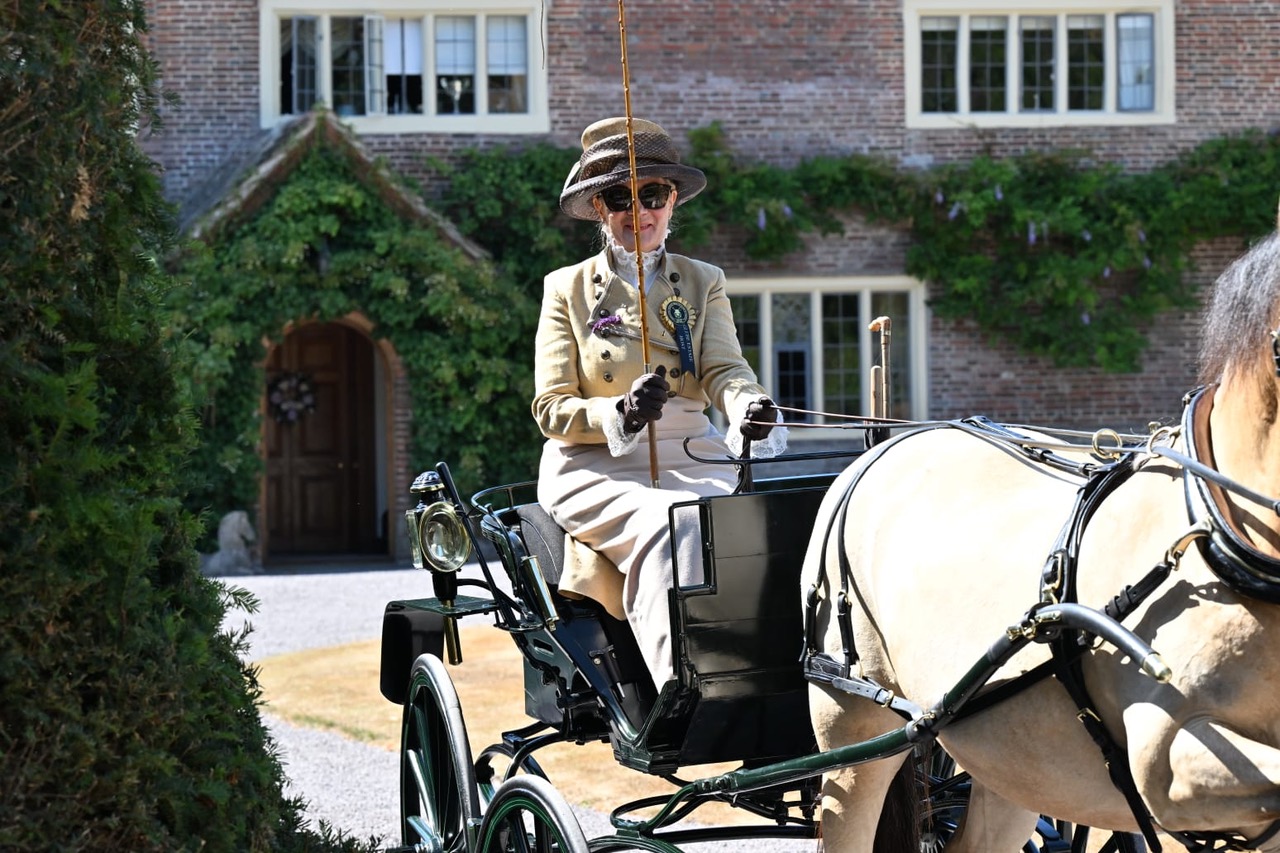
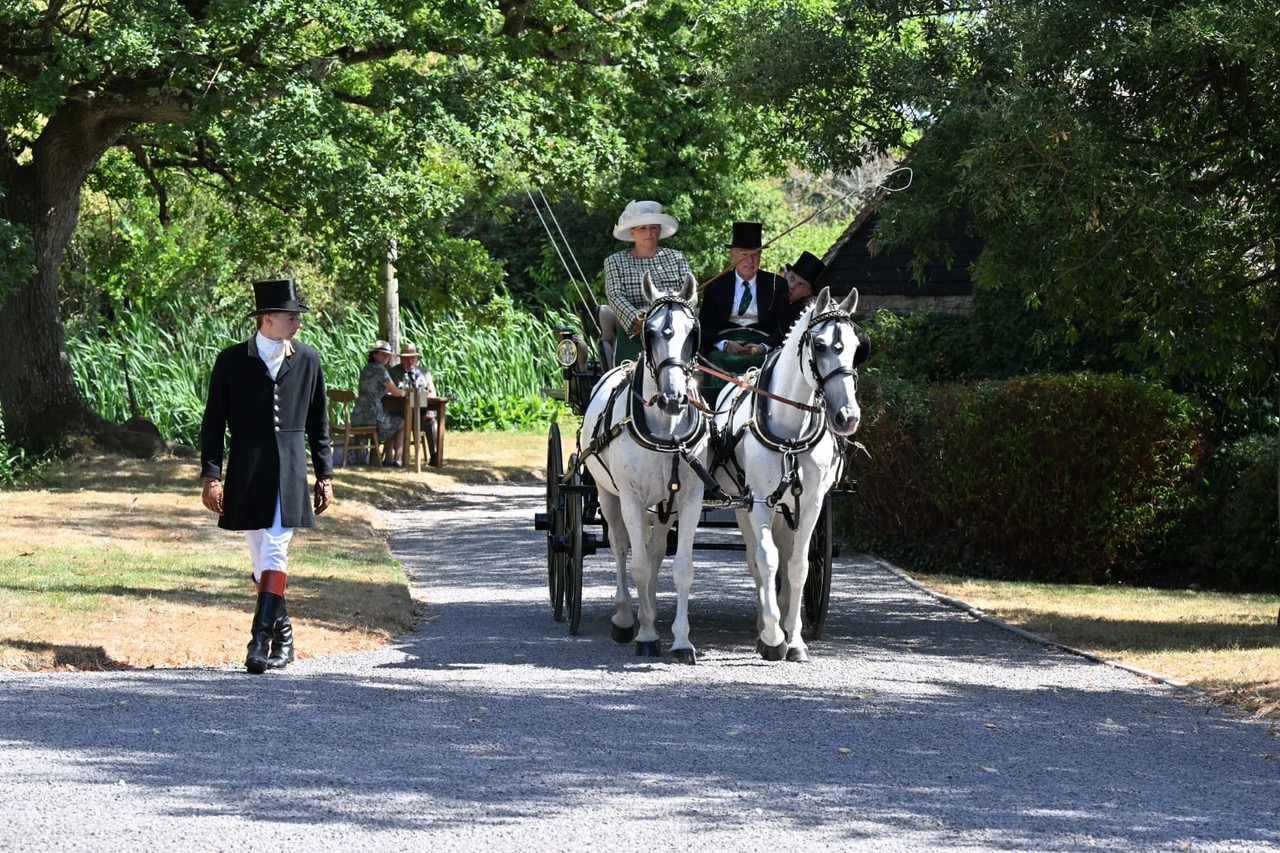
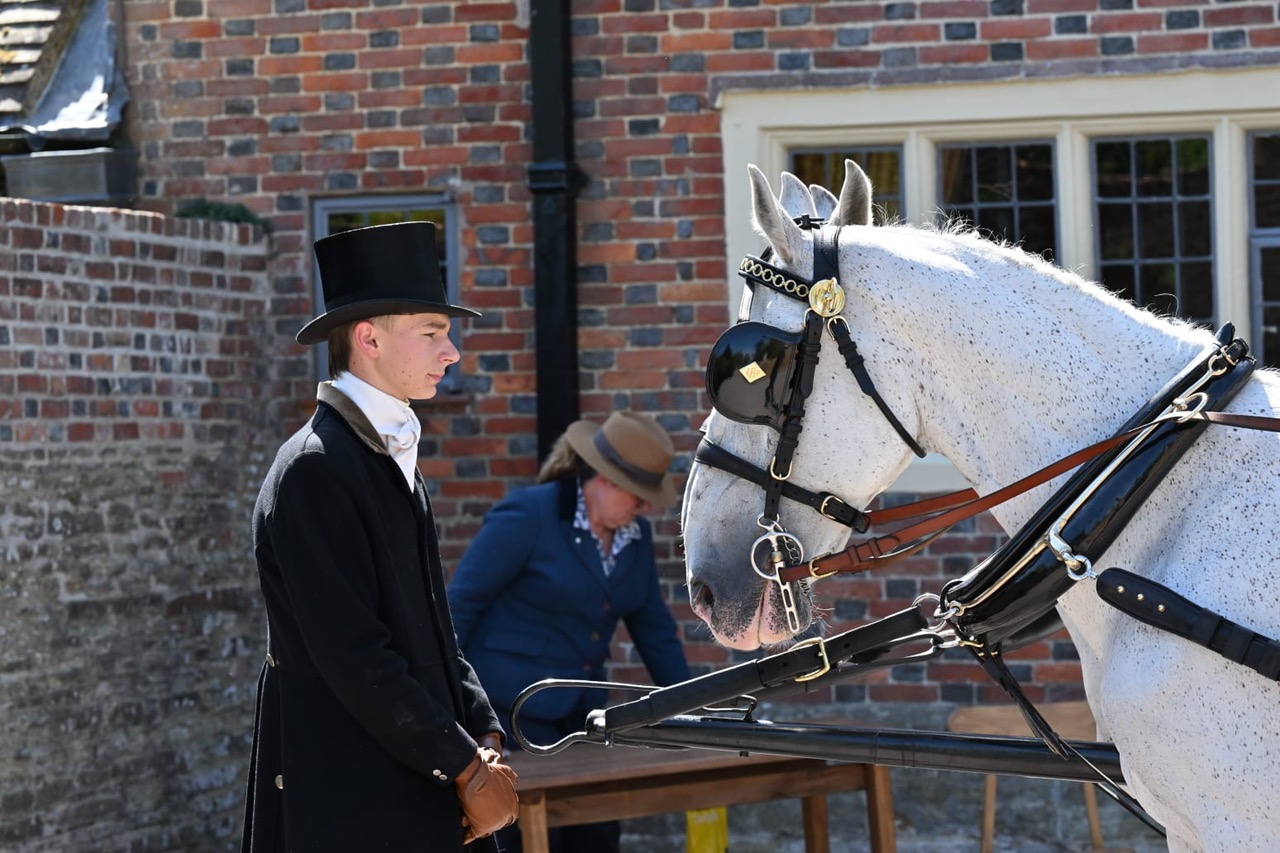
Just as we antique automobilists preserve the spirit of a better kind of motoring by driving our historic cars, so the Attelage de Tradition preserves the elegance and heritage of a bygone era by demonstrating original working antique carriages and well-trained harness horses in action. Like us, members of the Attelage de Tradition prize the originality and history of their carriages, which are considered antiques if they were built before 1950.
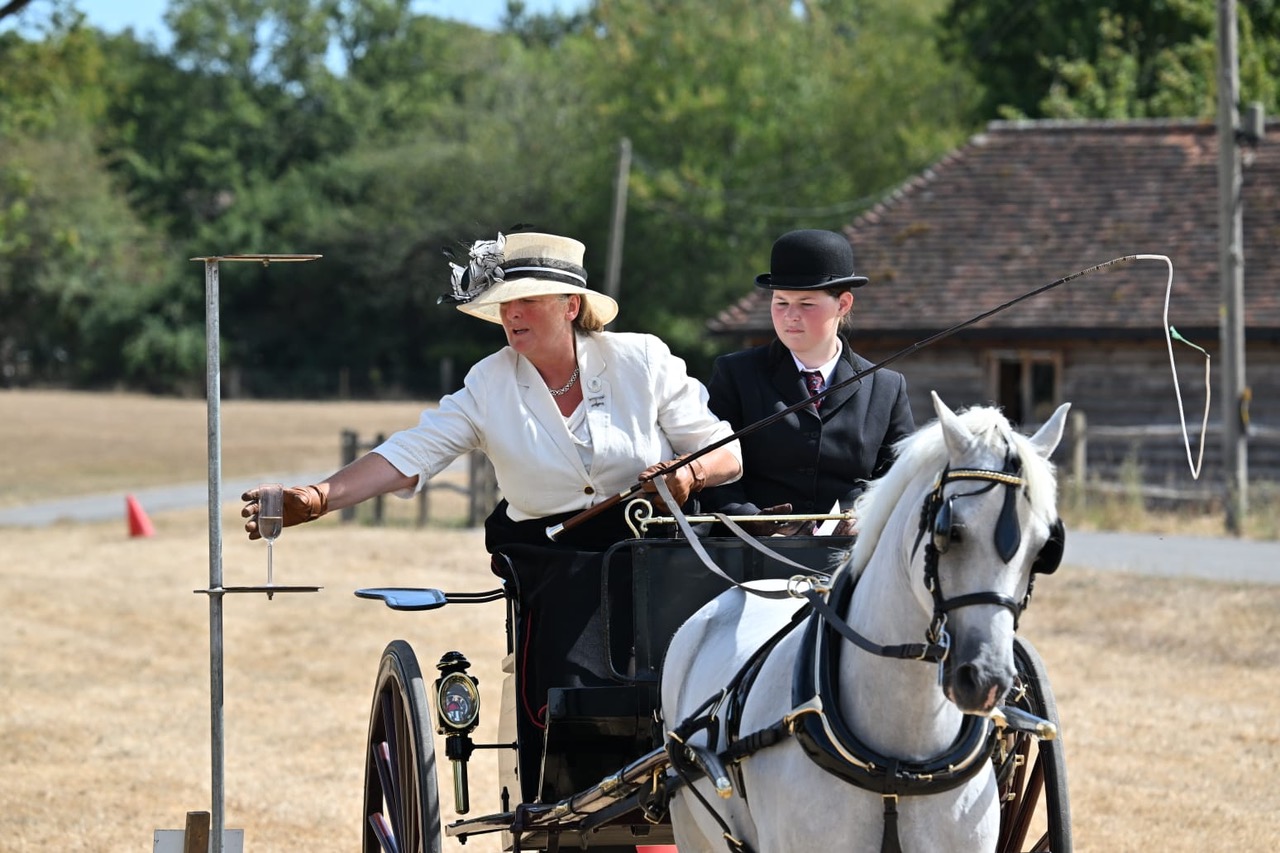
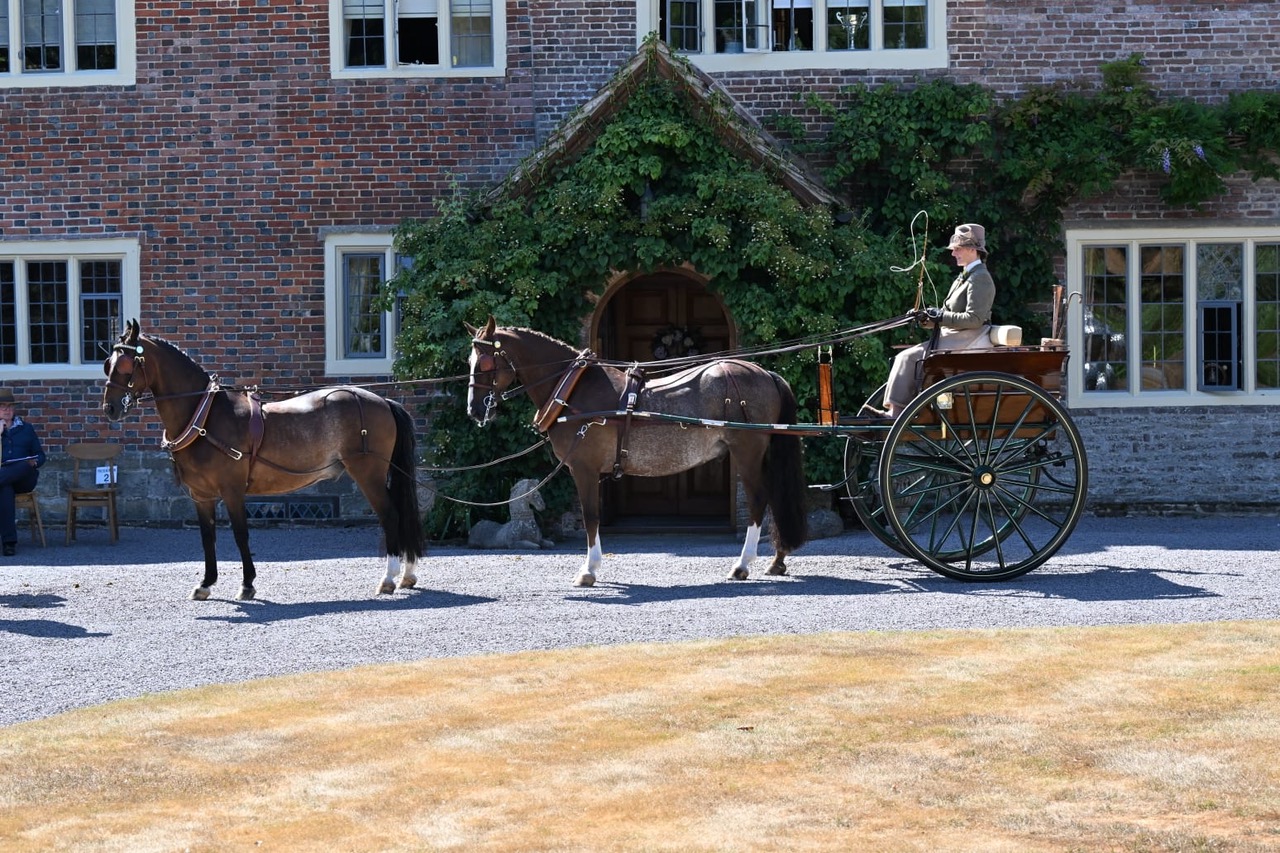
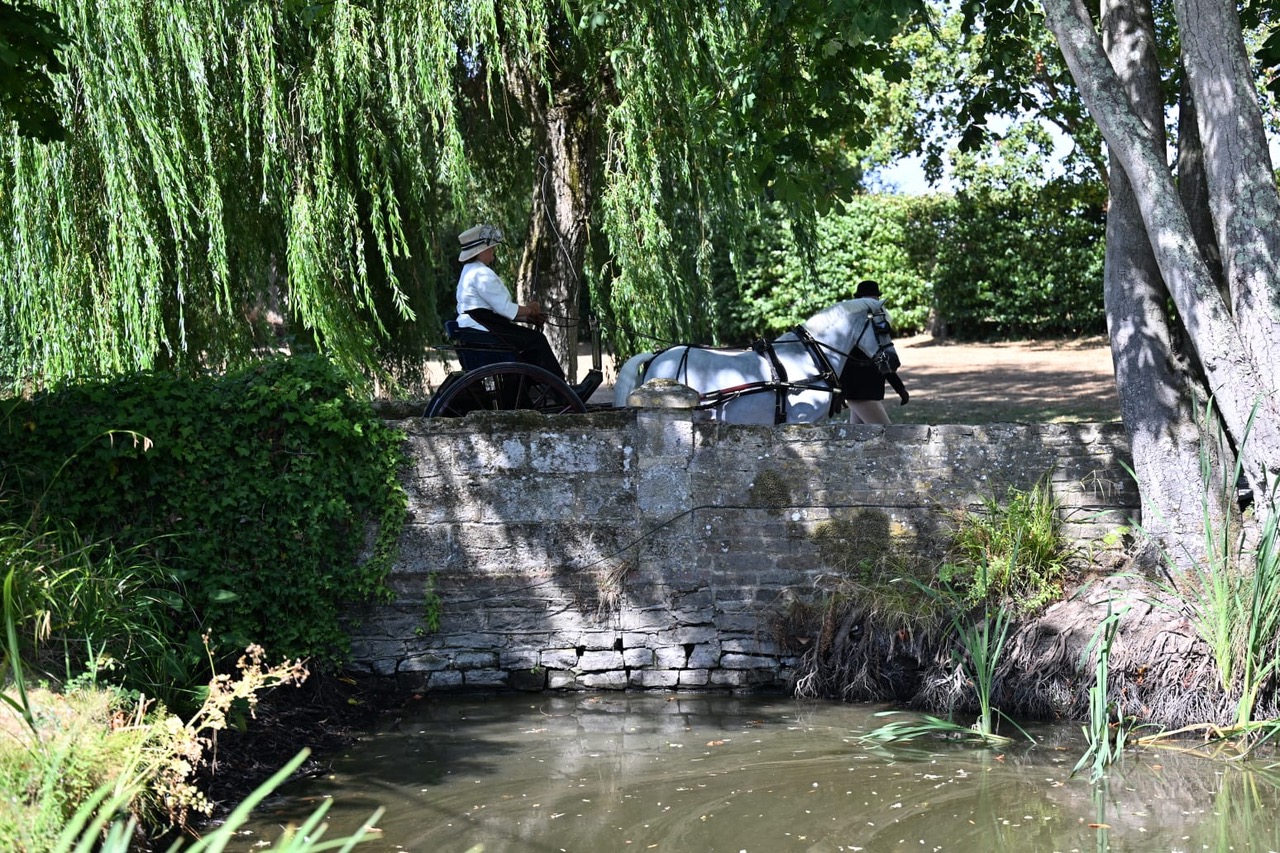
Watching the carriages performing their timed ‘Maniabilité’ tests, negotiating a convoluted course of 20 cone ‘gates’ only a little wider than the gauge of their axles, I began to appreciate why the hippophile community was so hostile to the first motor cars. There was certainly something impressive about the spectacle of a well-matched pair of horses manoeuvring a carriage through the obstacles, accompanied by the gentle sound of hooves on turf. One can visualise that in the closing years of the 19th century, the carriage set, probably insulated by the toils of their grooms and stablehands from the less pleasant aspects of horse ownership – the function of the upfront ‘dashboard’ on a horse carriage was to protect its occupants from upflung mud and equine effluvia, while mucking out the stables was a regular task – were offended by the sight and sound of the earliest horseless carriages.
Even those who were the new locomotion’s most enthusiastic advocates, such as newspaper proprietor Alfred Harmsworth, never saw the motor car supplanting the horse. In the very first number of his Daily Mail, published on 4th May, 1896, Harmsworth declared: ‘The motor carriage will never replace the smart trotting pony or the high-stepping team, but it will end the cruel labours of the poor equine drudges that strain before omnibus and dray.’
But replace them it did, and in a remarkably short time: horse carriage builders that had stock rooms bursting with carriages in 1900 could hardly give them away 10 years later, and many were simply chopped up for firewood. As for horse buses, there were more than 2000 of them operating in London when Harmsworth wrote that editorial, served by 25,000 horses. The final horse bus ran on 4th August, 1914 – coincidentally the day Britain declared war on Germany – leaving unemployed the last of a small army of grooms, blacksmiths and saddlers who had served the fleet.
However, the horse carriage left a legacy, for several of the distinguishing names of carriage types were applied to motor bodies, perhaps the most lasting being ‘limousine’, a word derived from the hooded cloaks worn by the shepherds of France’s Limousin region. While the landau style of horse carriage was rarely copied by motor body builders, the more compact landaulet, with its opening hood over the rear passengers, inspired a popular pattern of coachbuilt bodywork, one that was even long favoured by taxicabs (a word derived from ‘taximeter cabriolet’). Originally, cabriolets were light two-wheeled horse carriages with a folding hood. The Brougham had its origins in a town carriage built for Lord Chancellor Brougham in 1838, while the original coupés were closed four-wheeled horse carriages seating two persons inside.
The advent of the motor car meant that coachbuilders had to adapt or perish. Many fell by the wayside, but some of the oldest companies successfully made the transition to the new horsepower. Perhaps the first was Belvallette of Paris, founded at Boulogne-sur-Mer in 1804, which built its first car body on a Panhard et Levassor in 1893 and survived until 1934. Million-Guiet of Levallois-Perret dated from 1854 and started bodying cars around 1900.
Britain’s Thrupp & Maberly, founded in 1760 by Joseph Thrupp (George Maberly joined the company in 1858), constructed an electric Victoria for the Queen of Spain in 1896 and existed until 1967 as part of the Rootes Group. Barker, which in 1905 became the favourite coachbuilder of Rolls-Royce, had been established in 1710 by a Guards officer and from the reign of George III was the supplier of carriages to the Royal Family.
Hooper began life as Adams & Hooper in 1805, and long enjoyed the patronage of Queen Victoria and her son Edward VII, bodying Edward’s first car, a Daimler, in 1000. The firm took over Barker in 1938. While the original Hooper company stopped coachbuilding in 1965 once Rolls-Royce no longer built cars with separate chassis, the business was revived in the 1980s and continues today.
The Mulliner story had several branches. The company was originally established in 1760 in Northampton by F Mulliner, whose son Arthur H joined with a nephew from Liverpool in 1882 to create Mulliner (London) Ltd. Arthur H’s son – also Arthur – then took over the Northampton business. Then there was Mulliners of Birmingham, founded in 1792, which in 1897 bodied some of the first Coventry Daimlers. Confusingly, other branches of the family – Mulliner of Accrington and H J Mulliner of London – did not start in the horse carriage trade but were founded in the early years of the 20th century.
The age of the motor car gave birth to its own great coachbuilders, but the universal adoption of unitary steel bodywork was their death knell. Today, the craftsmanship and creativity that once characterised the mainstream motor industry lives on in the workshops of the coachbuilders serving the historic vehicle movement, both motorised and horsedrawn.
Yours coachbuildingly, David
[CAPTIONS]
To horsey folk, the spectacle of a ‘high-stepping team’ was preferable to the sight of a horseless carriage.
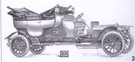
Early motor car builders based their bodywork on horse carriage styles.
In 1908, this spectacular landau body was built for the Maharajah of Gwalior on a Fiat chassis by Maythorn of Biggleswade (founded 1842).